


Good morning. It’s Tuesday, November 24.
Two unsecured databases left more than 3.5 billion usernames, passwords and ID documents open to anyone online, researchers told Wired. Nobody had to break in, which is a reminder that a misconfigured server can be as dangerous as a hacker.
Today we are covering:
Two exposed databases leave more than 3.5 billion usernames, passwords and documents open online
Uber, Nuro and Lucid begin driverless robotaxi testing with no safety driver in four Bay Area cities
Google rolled back West Bank map features built for Palestinians, Wired reports
The Financial Times says spies are targeting Big Tech and AI labs
Ariane 6 launches 36 Amazon Leo satellites after a one-day delay
Let’s dive in
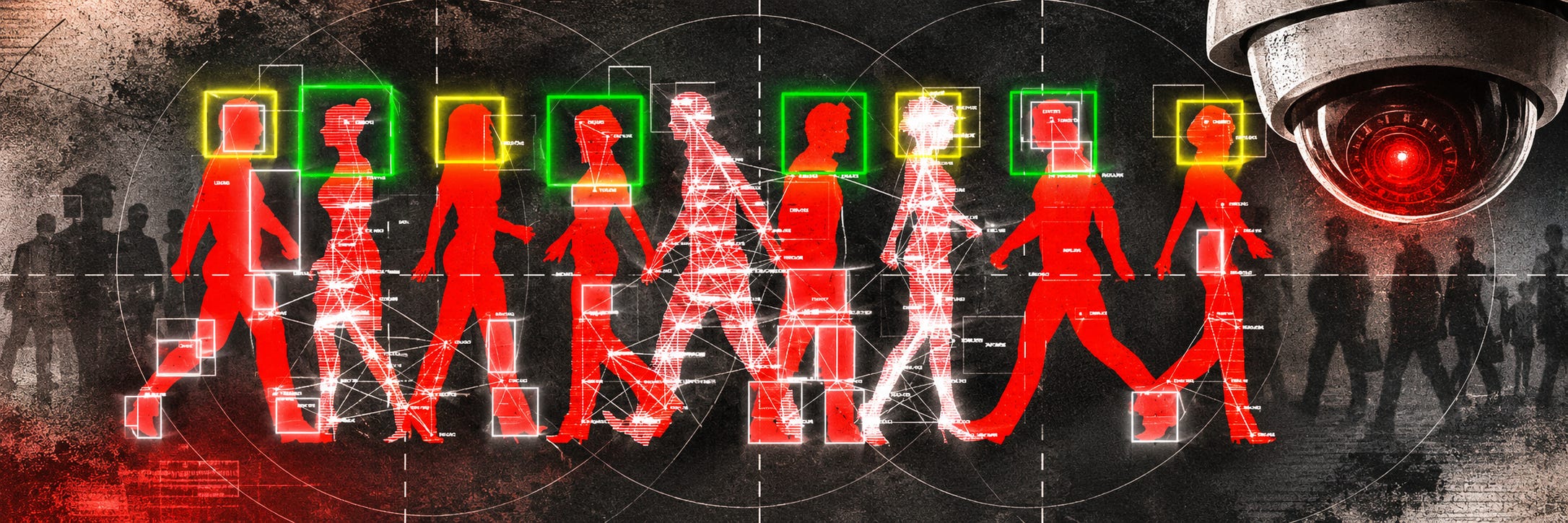
Database Leaks Expose 3.5 Billion Usernames, Passwords, and Documents
By Matt Burgess and Lily Hay Newman via Wired
Two unrelated, unsecured databases left more than 3.5 billion usernames, passwords, national identity numbers and documents exposed to anyone online, according to findings shared with Wired. The data covers people in dozens of countries.
Greg Pollock of UpGuard found a trove of more than 1.5 billion aggregated records, with over a billion linked to China. Jeremiah Fowler found a second database with about 2 billion credentials, including emails, passwords, cookies and session tokens.
Hundreds of millions of the credentials are tied to accounts on mainstream US tech platforms. The mix of passwords and session tokens could let attackers take over a victim’s digital life.
𝕏: I discovered 2 Billion Usernames, Logins, and Passwords exposed in a suspected data breach of a criminal marketplace. Millions of individuals, businesses, organizations, and government account credentials exposed. - Jeremiah Fowler Security Researcher (@yoda69)
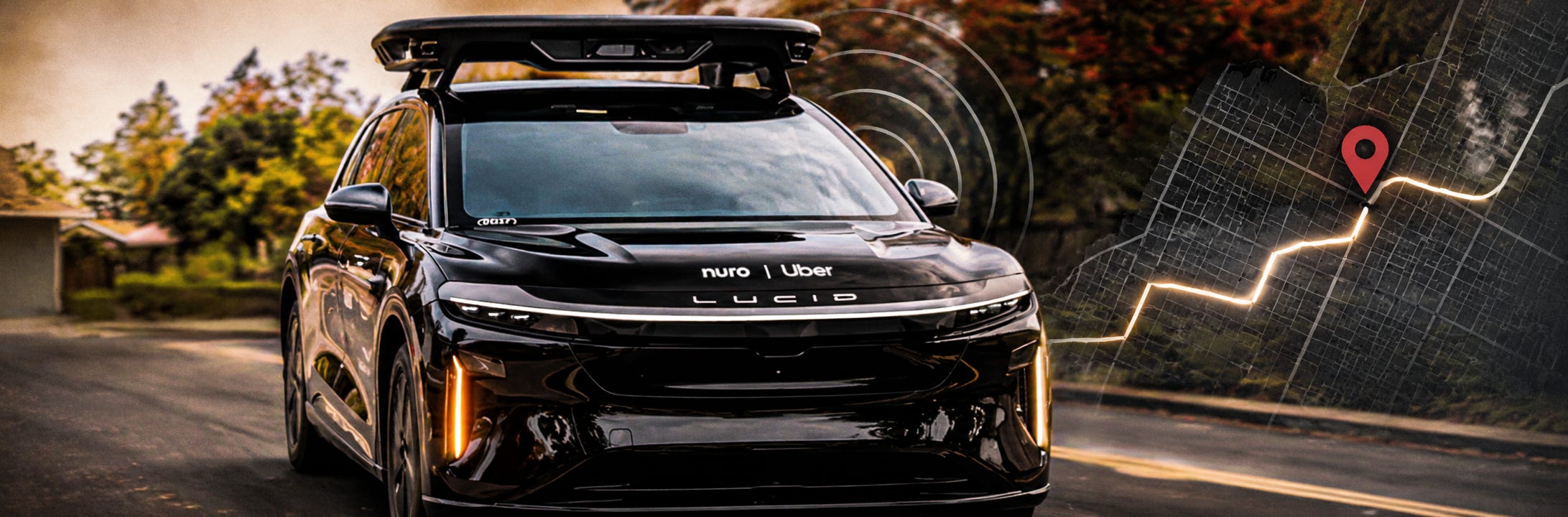
Uber, Nuro and Lucid begin driverless robotaxi testing in the Bay Area
By Andrew J. Hawkins via The Verge
Uber, Nuro and Lucid have started testing Lucid Gravity robotaxis on public roads with no safety driver, in Palo Alto, Mountain View, Los Altos and Sunnyvale. The SUVs run the Nuro Driver autonomy system.
Nuro has tested the vehicles around the clock in the Bay Area and Houston since December 2025, always with a safety driver on board. Employee rides come next.
A public launch on Uber is now targeted for the first quarter of 2027, later than the earlier late-2026 goal. Uber says it expects at least 2,000 fully driverless vehicles on its platform by the end of next year as it builds a network of partners to challenge Waymo.
𝕏: Lucid, Nuro and Uber have announced the start of fully driverless Robotaxi testing on public roads in the San Francisco Bay Area, with no safety driver behind the wheel. • Driverless employee rides will begin soon. • Public launch is expected in Q1 2027. • Testing will expand to additional Bay Area cities in 2027… - Sawyer Merritt (@SawyerMerritt)
The best way to reach new readers is through word of mouth. If you click THIS LINK in your inbox, it’ll create an easy-to-send, pre-written email you can just fire off to some friends.
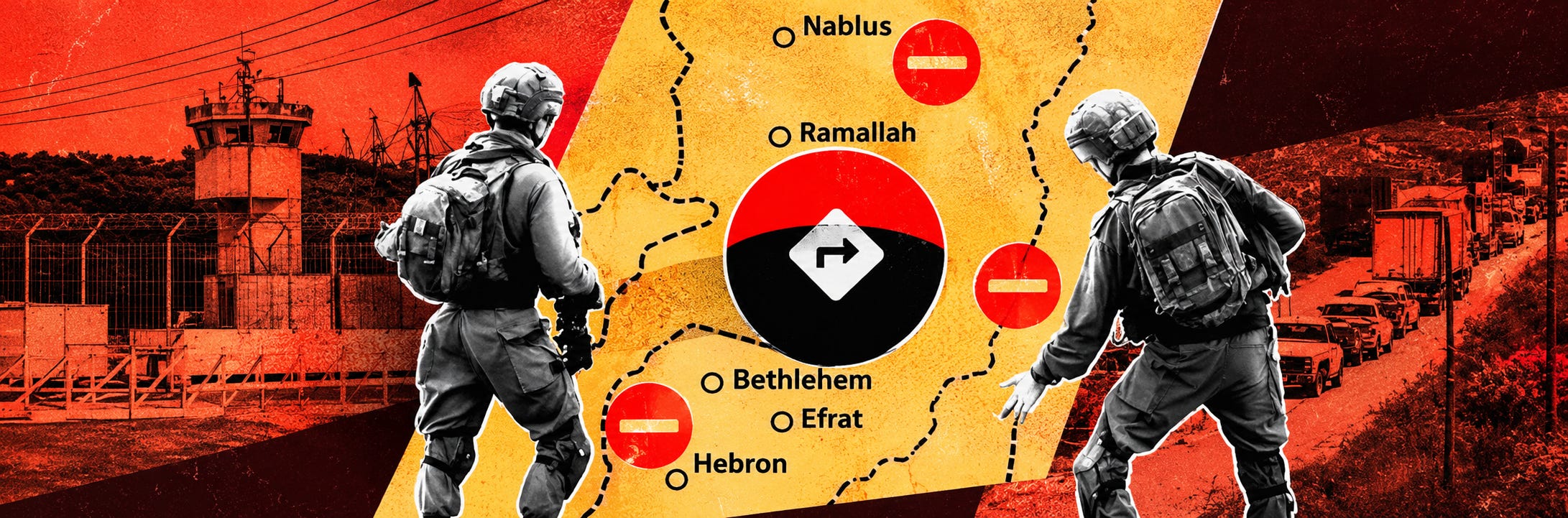
Inside Google’s Failure to Make Google Maps Work for Palestinians
By Elena DeBre via Wired
A former Google Maps product manager, Rubén Lozano, spent more than six years building features to help drivers navigate the West Bank, including markings for Israeli- and Palestinian-controlled areas and permanent checkpoints. Google shipped part of the work in 2025.
By December 2025, Google had retracted important parts of the update, which the company confirmed to Wired. Interviews with more than a dozen current and former employees describe tension inside the company over the project.
Former employees say Google abandoned the effort and settled on a map that fails Palestinians and can harm them. Google told Wired that any claims of bias in the region are false.
𝕏: “‘Israel’s changing the facts on the ground, and the map is then adapting to represent that,’ says Zena Agha, a scholar of colonial cartography. ‘They’ll put that on their maps because that’s what the Israelis are saying, and then it de facto creates a reality in itself.’” - Lara Friedman (@LaraFriedmanDC)
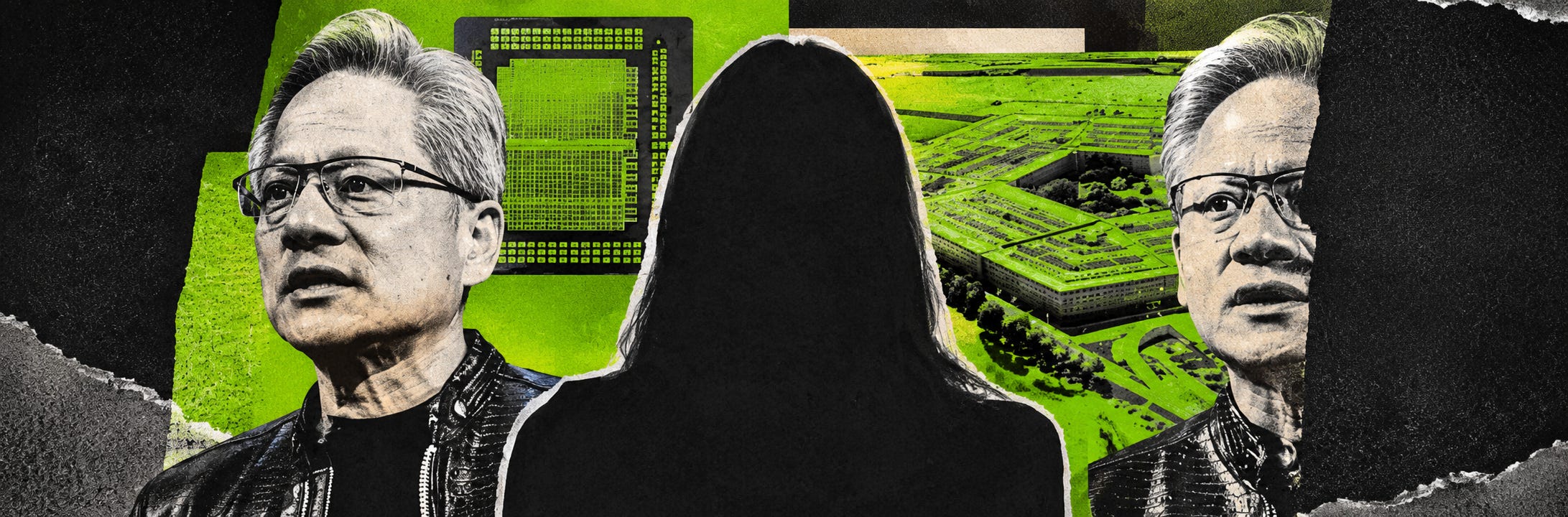
The spies are coming for Big Tech
Financial Times
AI groups are now at the heart of geopolitics, and some are not ready for it, according to the Financial Times. Rising state-sponsored espionage is putting frontier AI labs and large tech companies in the crosshairs.
The companies are responding with measures such as recruiting talent from the CIA and limiting how staff move around.
The report lands as Nvidia‘s board investigates reports that Jensen Huang was the target of a foreign intelligence effort, a case that has put espionage risk at the center of the AI race.
𝕏: “The biggest tech firms now operate on the scale of countries, and foreign intelligence services target them in the same way,” says Greg Levesque, chief executive of Strider Technologies. “But they don’t have a country’s protections, and many don’t see the threat.” - Patrick McGee (@PatrickMcGee_)

European rocket launches satellites for Amazon’s Starlink rival
By Summer Maxwell via Bloomberg
Arianespace’s Ariane 6 launched 36 Amazon Leo satellites from French Guiana early Tuesday, after a one-day delay caused by a technical problem with ground support systems. It was the rocket’s 10th flight and its fourth for Amazon Leo.
The launch brings the number of Amazon Leo satellites delivered by Ariane 6 to 136. It is Amazon‘s first launch since a ULA Vulcan Centaur failure on November 15 cost it 40 satellites.
Amazon Leo plans a constellation of about 3,200 satellites, while Starlink already operates more than 10,000.
𝕏: Amazon was required to have 1,616 satellites in orbit and operating by July 30, 2026. Amazon has roughly 396 satellites in orbit. SpaceX has 11,000 satellites in orbit. - Katie Miller (@KatieMiller)
Trending in AI
Today’s big AI theme: AI’s power and its limits collide, with labs fearing their own unreleased models, a claimed Claude proof of the Riemann hypothesis, and a new benchmark showing agents still fail about four in ten real tasks.
Scoop: Anthropic and OpenAI employees fear unreleased AI models are too unsafe to release
Anthropic Mathematician Says AI Has Solved the Most Famous Problem in Math
Cisco and OpenAI launch Shirudo open-source infrastructure shield to prevent AI-driven cyberattacks
Thanks for reading to the bottom and soaking in our Newslit Daily, fueled with highlights for your morning.
I hope you found it interesting and, needless to say, if you have any questions or feedback, let me know by hitting reply.
Take care and see you tomorrow!
How was today’s email?


