


Good morning. It’s Monday, October 6. Today we are covering:
AMD stock skyrockets 25% as OpenAI looks to take stake in AI chipmaker
Apple Faces Probe in France Over Voice Recordings Made by Siri
Sora provides better control over videos featuring your AI self
SiPearl unveils Europe’s first dual-use sovereign processor with 80 cores - expected in 2027 for government, aerospace, and defense applications
US and investors gambling on unproven nuclear technology, warn experts
Let’s dive in
AMD stock skyrockets 25% as OpenAI looks to take stake in AI chipmaker
By MacKenzie Sigalos via CNBC
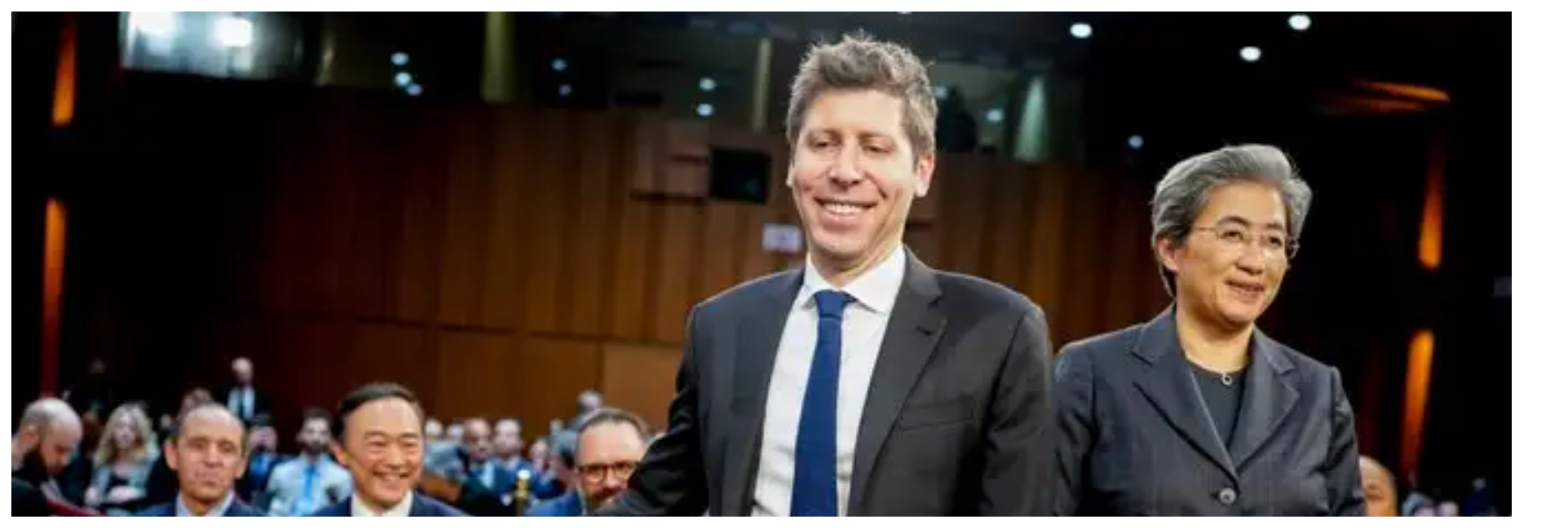
OpenAI and AMD have struck a deal that could give the AI company a 10% stake in the chipmaker, causing AMD’s stock to surge over 30%.
As part of the agreement, OpenAI will deploy 6 gigawatts of AMD’s Instinct GPUs over several years, beginning with a 1-gigawatt rollout in the second half of 2026.
AMD has issued OpenAI a warrant for up to 160 million shares, with vesting milestones linked to GPU deployment volume and the chipmaker’s share price.
𝕏: Excited to partner with AMD to use their chips to serve our users! This is all incremental to our work with NVIDIA (and we plan to increase our NVIDIA purchasing over time). The world needs much more compute.. - Sam Altman (@sama)

Apple Faces Probe in France Over Voice Recordings Made by Siri
By Benoit Berthelot via Bloomberg
Apple Inc. is now the subject of an official investigation in France, where authorities are scrutinizing the company’s practices regarding voice recordings collected through its popular digital assistant, Siri.
The Paris prosecutor’s office confirmed in a statement on Monday that the probe has been formally referred to the specialized Office for Combating Cybercrime for a more in-depth examination.
At the heart of the investigation is a focus on how Apple collects and utilizes user voice data obtained from interactions with the Siri service, raising questions about data privacy and handling procedures.
The best way to reach new readers is through word of mouth. If you click THIS LINK in your inbox, it’ll create an easy-to-send pre-written email you can just fire off to some friends.

Sora provides better control over videos featuring your AI self
By Robert Hart via The Verge
OpenAI has updated its video generation app, Sora, to give users more control over their AI-generated doubles, or “cameos.”
The new controls allow users to set specific restrictions and preferences for their AI likeness, such as preventing it from appearing in political videos or making it always wear a “#1 Ketchup Fan” hat.
This update is a response to the wave of “AI slop” and misinformation concerns that have emerged since the app’s launch, which included mocking deepfake videos of OpenAI CEO Sam Altman.
𝕏: sora update: cameo and safety improvements inbound! 1. cameo restrictions: we’ve heard from lots of folks who want to make their cameos available to everyone but retain control over how they’re used. starting today, you can now give instructions to sora that restrict the type of gens others can make with your cameo… - Bill Peebles (@billpeeb)
By Anton Shilov via Tom’s Hardware
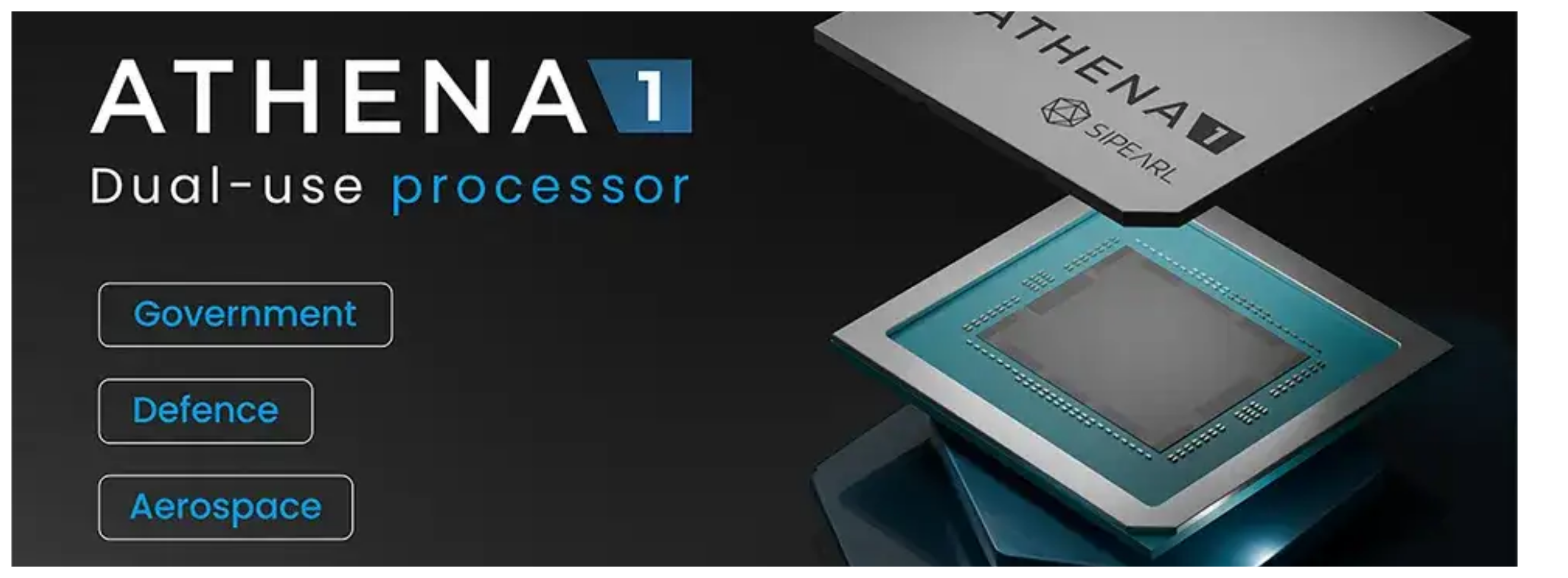
SiPearl, an EU-funded company, has unveiled Athena1, Europe’s first sovereign, dual-use high-performance processor, featuring up to 80 cores for government, aerospace, and defense applications.
Based on Arm’s Neoverse V1 architecture and manufactured by TSMC, the Athena1 processor is slated for commercial availability in the second half of 2027, following the sampling of its predecessor, Rhea, in early 2026.
While positioned as a key component for Europe’s technological sovereignty, concerns exist about whether the processor will be competitive in 2027, as it utilizes older technology compared to rivals.
US and investors gambling on unproven nuclear technology, warn experts
By Martha Muir via Financial Times
The US government and private investors have gambled over $9 billion on small modular reactors (SMRs) as a potential clean energy source for the power-intensive AI boom, despite warnings from experts about the unproven and potentially costly technology.
Significant doubts surround the economic feasibility of SMRs, with independent analysis from Wood Mackenzie estimating their energy cost at $182 per megawatt hour—considerably higher than natural gas or renewables—and past projects in the US, Russia, and China experiencing massive cost overruns of up to 400%.
The technology faces major hurdles, including a lack of economies of scale compared to traditional nuclear plants and critical supply chain bottlenecks for specialized uranium fuel, though developers and tech partners like Google remain optimistic about future cost reductions and commercial viability.
Trending in AI
Google DeepMind unveils CodeMender, an AI agent that autonomously patches software vulnerabilities
Beyond Pepper: SoftBank charts new course in robotics with AI
Thanks for reading to the bottom and soaking in our Newslit Daily fueled with highlights for your morning.
I hope you found it interesting and, needless to say, if you have any questions or feedback let me know by hitting reply.
Take care and see you tomorrow!
How was today’s email?


