


Good morning. It’s Thursday, December 18. Today we are covering:
Developers can now submit apps to ChatGPT
China reportedly has a prototype EUV machine built by ex-ASML employees
Trump media agrees $6bn merger deal with Google-backed fusion energy company
Japan App Store Gets Alternative Marketplaces, Third-Party Payments and More
OpenAI Inks Deals With Colleges, Seizing Early Lead in Education Market
Let’s dive in

Developers can now submit apps to ChatGPT
OpenAI
OpenAI is opening app submissions for ChatGPT, letting developers submit apps for review and publication, with guidance and tooling like the Apps SDK (beta), best-practices docs, open-source example apps, an open-sourced UI library, and a quickstart guide.
ChatGPT is getting an in-product app directory (also accessible at chatgpt.com/apps) where users can browse featured apps or search for published ones; apps can be invoked via @mentions or the tools menu, and OpenAI is testing context-aware app recommendations based on conversation signals and user preferences.
Developers submit via the OpenAI Developer Platform with details like MCP connectivity, testing guidance, directory metadata, and country availability; initial monetization supports linking out for transactions (with broader options being explored), alongside strict safety, privacy, and transparency requirements including clear privacy policies and user-controlled app access.
𝕏: Apps for ChatGPT is ready to go! - Adam.GPT (@TheRealAdamG)
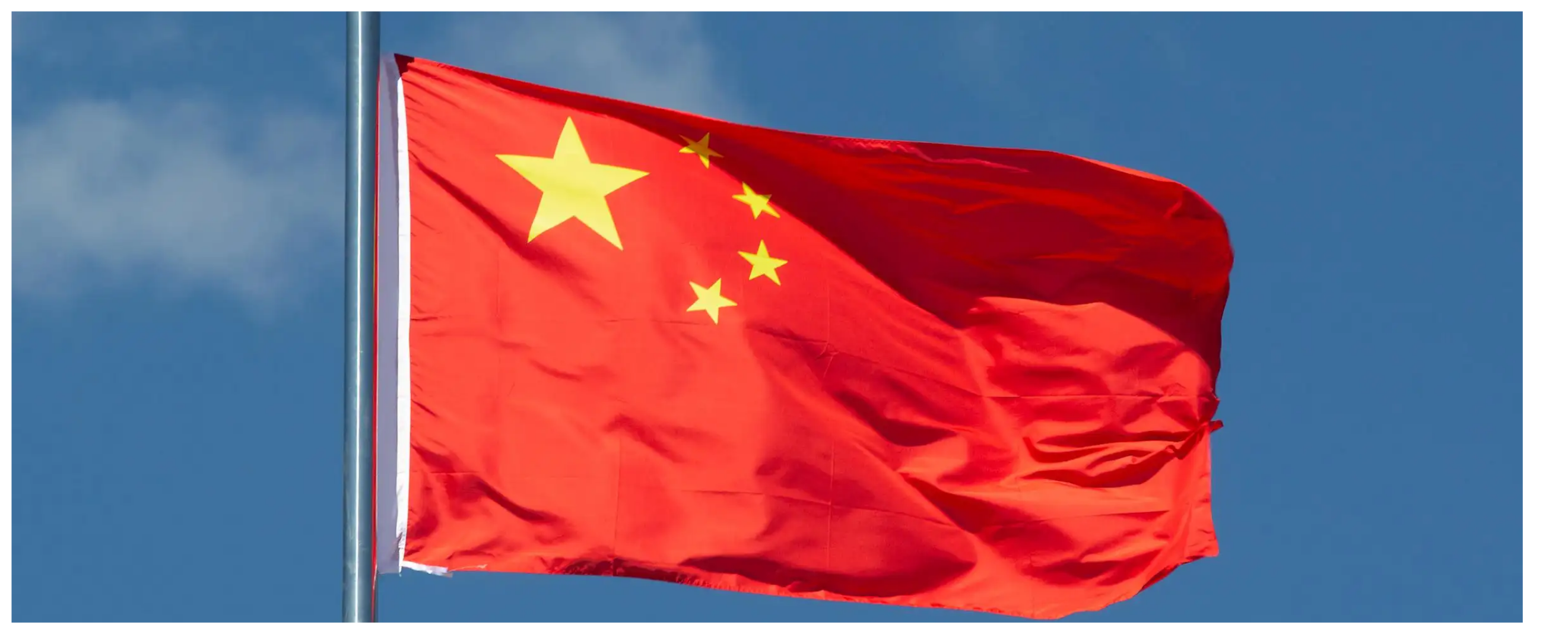
China reportedly has a prototype EUV machine built by ex-ASML employees
By Anna Washenko via Engadget
A team in Shenzhen reportedly completed a prototype extreme ultraviolet (EUV) lithography machine earlier this year, allegedly built with help from former ASML engineers, and it is now undergoing testing.
The prototype is not yet manufacturing chips, but it can reportedly generate the EUV light required for advanced semiconductor production, a core capability behind leading-edge chips made by firms like TSMC and Intel.
If the claims hold up, the milestone could speed up China’s drive for self-sufficient advanced semiconductors, with an internal target of starting EUV-based chip production in 2028 (though some experts expect closer to 2030) amid ongoing U.S. restrictions on access to EUV tech.
𝕏: China apparently has a working prototype of an EUV lithography machine. - Secret lab in Shenzhen - Team of former ASML engineers - Reverse-engineered parts - Yet to produce working chips - Deep involvement by Huawei - Aiming for use by 2028-2030 - Kyle Chan (@kyleichan)
The best way to reach new readers is through word of mouth. If you click THIS LINK in your inbox, it’ll create an easy-to-send pre-written email you can just fire off to some friends.

Trump media agrees $6bn merger deal with Google-backed fusion energy company
Financial Times
Trump Media & Technology Group (TMTG) agreed to a $6bn all-stock merger with TAE Technologies, a Google-backed fusion energy company, pitching the deal as a way to pair TMTG’s access to capital and political influence with TAE’s technology to meet surging AI-driven electricity demand.
The combined company says it aims to begin construction in 2026 on what it calls the first utility-scale fusion power plant, starting with a 50MW facility and scaling later to as much as 500MW, with TAE projecting “first power” around 2031.
Deal terms give 50/50 ownership to shareholders of each company and put Donald Trump Jr. on the board; TMTG shares jumped 33% on the news but remain down nearly 70% over the past year, underscoring investor skepticism amid losses and a sprawling strategy that has also included a bitcoin treasury and crypto partnerships
𝕏: Who had media & fusion company mergers in their year-end predictions? “The deal intends to combine Trump Media & Technology’s ‘access to significant capital’ and TAE’s ‘leading fusion technology’ to supply power for the artificial-technology boom” - Shanu Mathew (@ShanuMathew93)

Japan App Store Gets Alternative Marketplaces, Third-Party Payments and More
By Juli Clover via MacRumors
Apple rolled out App Store and iOS changes in Japan ahead of the Mobile Software Competition Act (MSCA) taking effect on Dec. 18, enabling alternative app marketplaces, third-party payments, and new default-choice prompts for browsers, search engines, and navigation apps.
Japan’s rules differ from the EU in key ways: apps can’t be installed directly from websites (distribution must go through the App Store or a notarized marketplace), and developers offering external payments or web links must show an in-app purchase option alongside them with at least equal prominence, plus clear user disclosures.
Fees and safeguards shift with the new model, with commissions ranging from 5% to 26% depending on distribution and payment method, expanded Side Button support for eligible third-party voice apps, and tighter child protections including age-rated install sheets and parental gates for non-Apple purchase flows.
𝕏: Apps in Japan can now request interoperability with core technologies in iOS using this form – fascinating look at potential routes for alternative app stores if it expands - Matthew Cassinelli (@mattcassinelli)
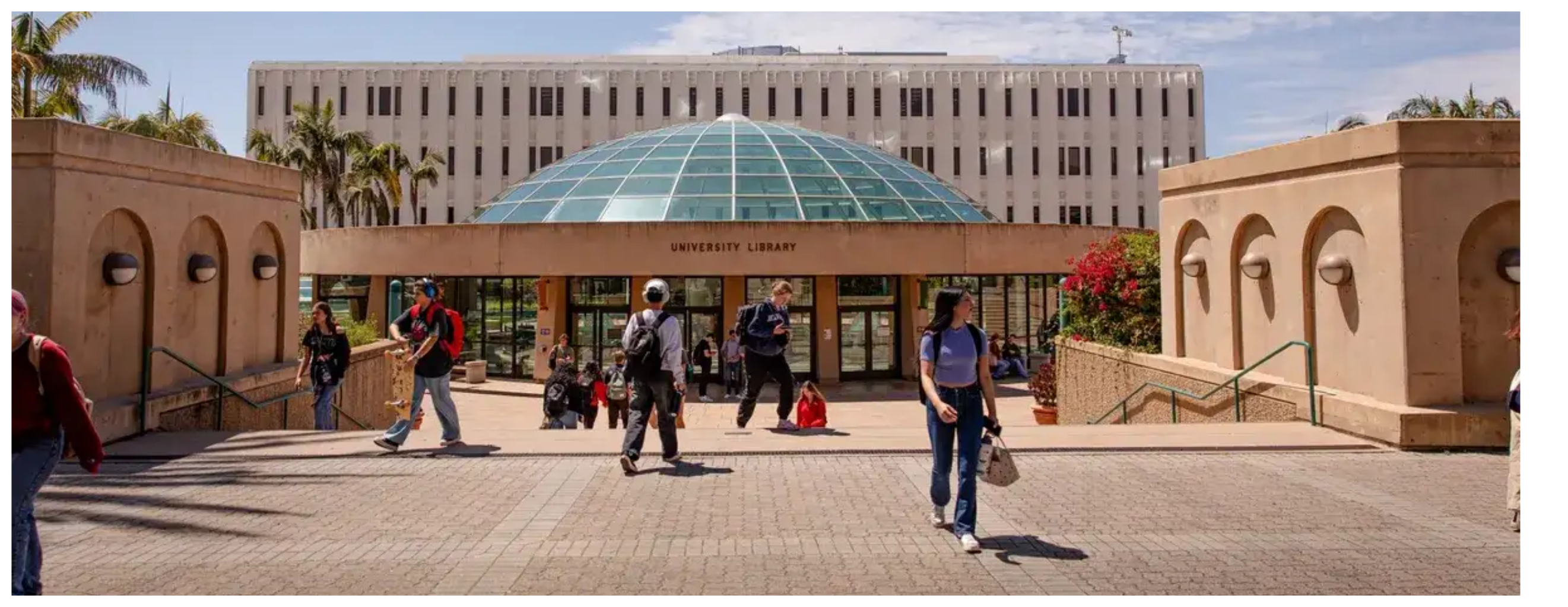
OpenAI Inks Deals With Colleges, Seizing Early Lead in Education Market
By Brody Ford via Bloomberg
OpenAI is gaining an early foothold in US higher education, persuading wary administrators and positioning ChatGPT as a default AI assistant for students and the next generation of workers.
Purchase orders reviewed by Bloomberg show OpenAI has sold 700,000+ ChatGPT licenses across roughly 35 public universities, covering both students and faculty.
At these schools, Microsoft Copilot adoption has been more gradual, in part because it’s typically bundled with existing software and appears to be used more by faculty than students.
Trending in AI
Google announces Gemini 3 Flash with Pro-level performance, rolling out now
OpenAI Has Discussed Raising Tens of Billions at Valuation Around $750 Billion
FTC probes Instacart’s AI pricing tool, source says; shares drop
AI is making dangerous lab work accessible to novices, UK’s AISI finds
Thanks for reading to the bottom and soaking in our Newslit Daily fueled with highlights for your morning.
I hope you found it interesting and, needless to say, if you have any questions or feedback let me know by hitting reply.
Take care and see you tomorrow!
How was today’s email?


