


Good morning. It’s Monday, August 11. Today we are covering:
GPT-5: Overdue, overhyped and underwhelming. And that's not the worst of it.
Amazon tops 100 satellites after weather-delayed Kuiper launch
Matter's latest update doubles down on stability and pushes the platforms to play better together
Wikipedia operator loses court challenge to UK Online Safety Act regulations
OpenAI Brings Back Fan-Favorite GPT-4o After a Massive User Revolt
Let’s dive in
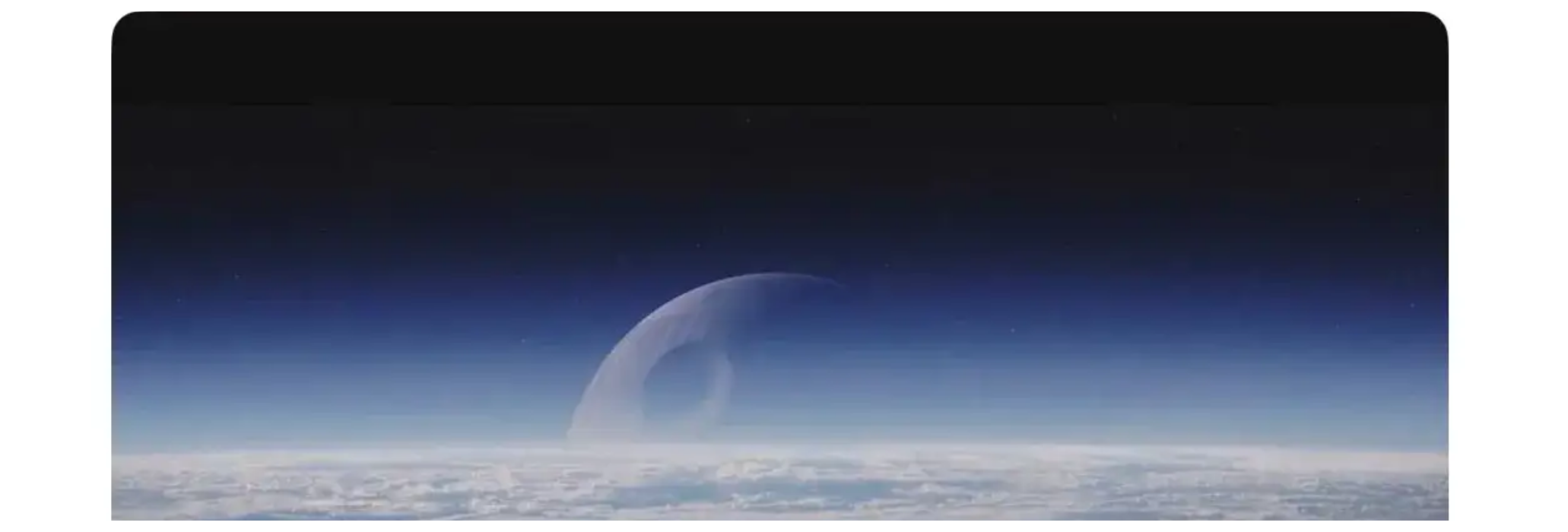
GPT-5: Overdue, overhyped and underwhelming. And that's not the worst of it.
By Gary Marcus via Marcus on AI
GPT-5’s debut was widely seen as overhyped and underwhelming, with users reporting persistent errors, subpar benchmark results, and minimal improvement over previous models—prompting petitions to reinstate older versions and a sharp drop in OpenAI’s perceived technical lead.
A new Arizona State University study confirmed long-standing criticisms about LLMs’ inability to generalize beyond training data, echoing earlier research and reinforcing skepticism that pure scaling will ever deliver AGI.
Gary Marcus argues that the GPT-5 disappointment marks a broader reckoning for generative AI hype, urging a shift toward neurosymbolic AI with explicit world models as the only viable path to genuine reasoning and AGI.
𝕏: The issue with GPT-5 in a nutshell is that unless you pay for model switching & know to use GPT-5 Thinking or Pro, when you ask “GPT-5” you sometimes get the best available AI & sometimes get one of the worst AIs available and it might even switch within a single conversation. - Ethan Mollick (@emollick)
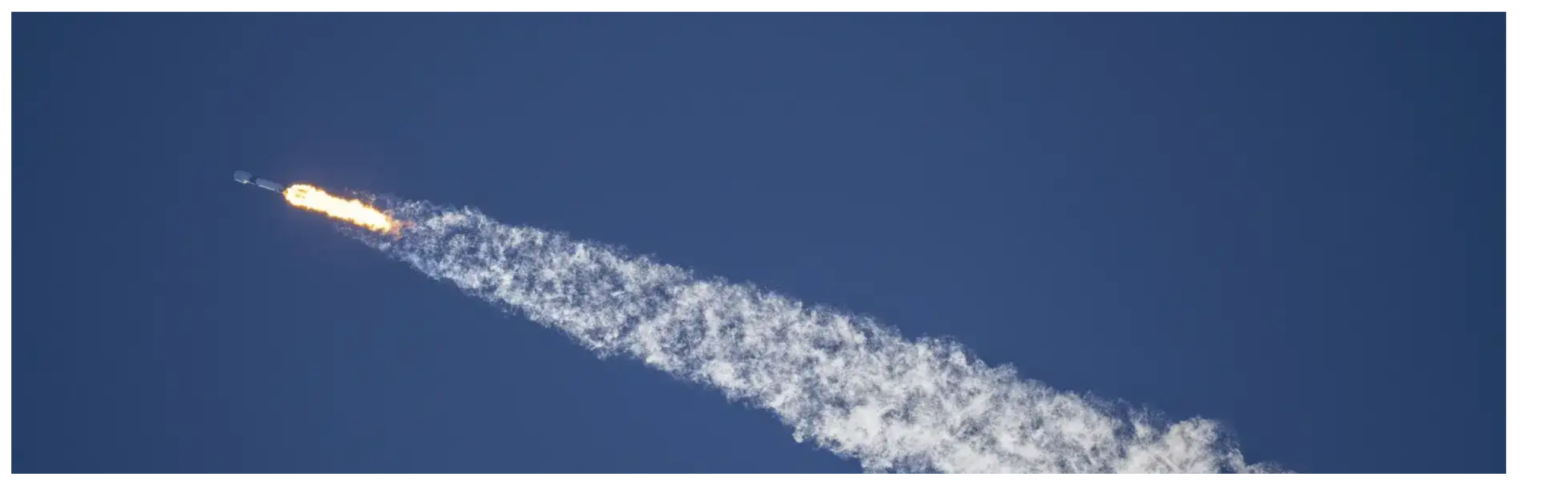
Amazon tops 100 satellites after weather-delayed Kuiper launch
By Annie Palmer via CNBC
Amazon launched its fourth batch of Kuiper internet satellites aboard a SpaceX Falcon 9, adding 24 satellites and bringing its constellation to 102 in low-Earth orbit after multiple weather delays.
The company must deploy about 1,600 satellites by July 2026 to meet FCC requirements, with the full 3,236-satellite network due by 2029; it has booked up to 83 launches, including three with SpaceX.
While still in early deployment, Amazon has signed deals with governments and aims to start commercial Kuiper service later in 2025, competing with SpaceX’s Starlink, which has about 8,000 satellites and 5 million customers.
The best way to reach new readers is through word of mouth. If you click THIS LINK in your inbox, it’ll create an easy-to-send pre-written email you can just fire off to some friends.
Matter's latest update doubles down on stability and pushes the platforms to play better together
By Jennifer Pattison Tuohy via The Verge
Matter 1.4.2 prioritizes reliability, stability, and security with updates like improved cross-platform device behavior, Wi-Fi-only onboarding to reduce hardware costs, router optimizations for connectivity, and protections against cloned or counterfeit devices.
New features include standardized scenes with offline and time-based actions, smarter device identification to prevent duplicates, automatic capability detection, and consistent robot vacuum commands across ecosystems.
The update sets minimum router capacity standards, enhances battery life for low-traffic devices, and introduces fast-track adoption programs to push major platforms like Apple, Amazon, Google, and Samsung toward quicker implementation.

Wikipedia operator loses court challenge to UK Online Safety Act regulations
Reuters
The Wikimedia Foundation lost a High Court challenge against parts of the UK’s Online Safety Act, arguing that potential Category 1 duties—including user identity verification—could drastically cut British access to Wikipedia.
Judge Jeremy Johnson dismissed the case but left open the possibility of a future challenge if Ofcom wrongly categorizes Wikipedia, stressing the need to avoid measures that would significantly impede its operations.
The UK government and Ofcom welcomed the ruling, while free-speech advocates and platforms like X criticized the law for overreach, warning it could censor legal content despite government claims it protects children and removes illegal material.

OpenAI Brings Back Fan-Favorite GPT-4o After a Massive User Revolt
By Luc Olinga via Gizmodo
OpenAI reversed course after a 72-hour backlash over its GPT-5 rollout, restoring access to legacy models like GPT-4o and allowing users to re-enable them via settings.
CEO Sam Altman announced dramatically higher usage limits for paying subscribers—up to 3,000 reasoning queries per week—and promised a UI update showing which model is responding, along with a detailed blog on capacity tradeoffs.
The compromise, keeping GPT-5 as default while restoring model choice, reflects the power of a loyal user base that organized cancellations, petitions, and public pressure to force the change.
𝕏: the percentage of users using reasoning models each day is significantly increasing; for example, for free users we went from <1% to 7%, and for plus users from 7% to 24%. i expect use of reasoning to greatly increase over time, so rate limit increases are important. - Sam Altman (@sama)
Trending in AI
Nvidia and AMD to pay 15% of China chip sale revenues to US government
China’s AI drug discovery companies land huge deals with Big Pharma
New chatbot on Trump’s Truth Social platform keeps contradicting him
Thanks for reading to the bottom and soaking in our Newslit Daily fueled with highlights for your morning.
I hope you found it interesting and, needless to say, if you have any questions or feedback let me know by hitting reply.
Take care and see you tomorrow!
How was today’s email?


