


Good morning! It’s Thursday, June 18. Today we are covering:
Meta‘s AI-fueled engineering overhaul is backfiring badly, with mass reassignments, a catastrophic security breach, and an accelerating talent exodus
Apple is set to raise prices on its devices as memory supply costs climb
Microsoft and Amazon cloud services face a new EU antitrust crackdown
Cheap smart home gadgets sold by Amazon and Walmart arrive factory-loaded with criminal proxy software, with 20 million US homes at risk
A massive credential leak dubbed “FortiBleed“ exposes Fortinet VPN access for 73,000 organizations worldwide
Let’s dive in
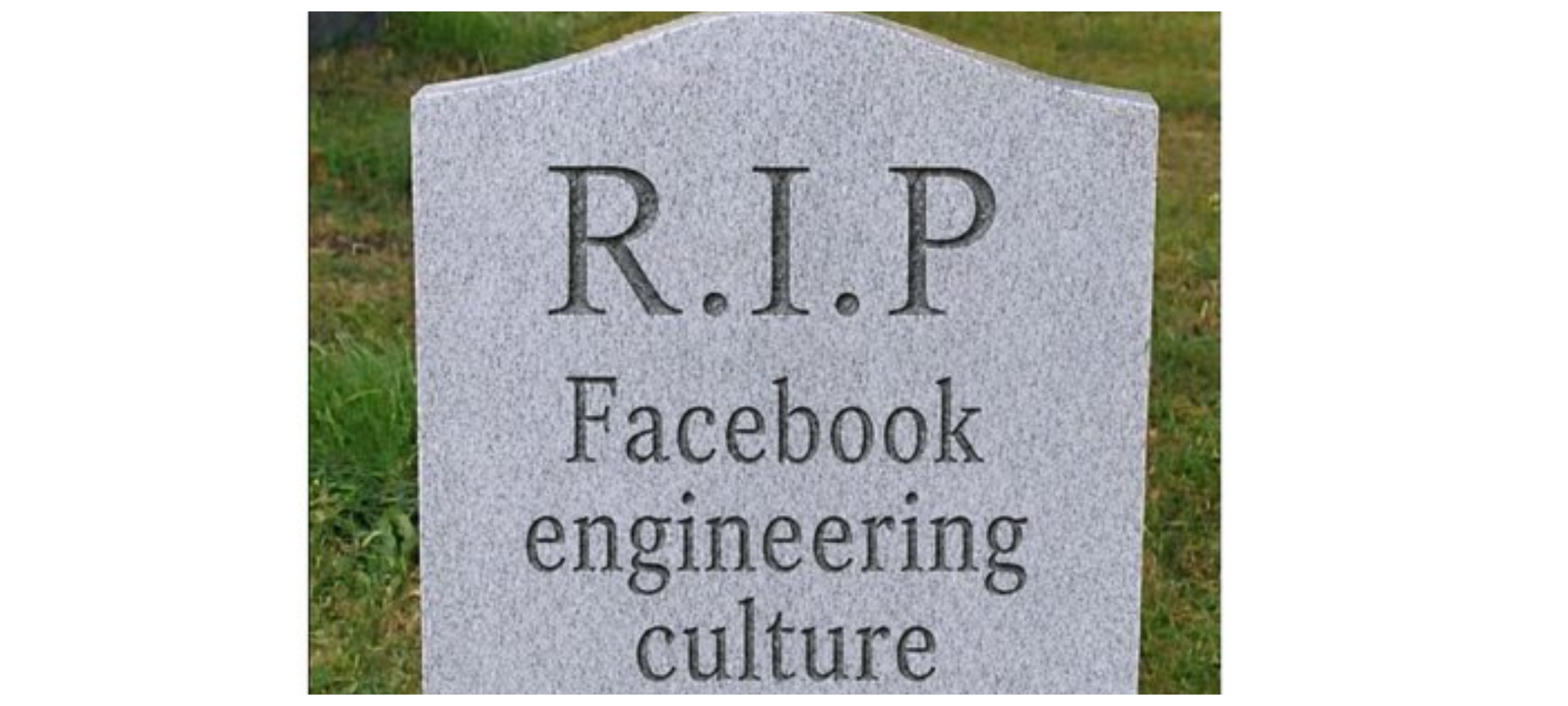
Why is Meta destroying its engineering organization?
By Gergely Orosz via The Pragmatic Engineer
Meta‘s leadership forcefully reassigned 30-50% of engineers to full-time AI data labeling under the new ADO (Agent Data Optimisation) org, enrolling roughly 6,500 people, while simultaneously rolling out a system that tracks every employee keystroke and mouse click to generate training data for a new coding LLM.
The overhaul, directed by CEO Mark Zuckerberg and new Scale AI architect Alexandr Wang, created a toxic feedback loop: with layoffs looming and token usage tracked in performance reviews, engineers optimized for AI metrics over real work, while gutted security teams shipped AI-generated code with zero human review.
The fallout has been severe: Instagram suffered its most embarrassing-ever security breach in May (a zero-auth password reset anyone could trigger with just a username), Meta‘s CISO resigned the following day, the platform had two additional outages in June, and interview-prep signups from Meta engineers hit an all-time high as the talent exodus accelerates.
𝕏: Unbelievable damage in two months’ time. It’s likely that there are few engineers not looking for a way out. If you ever wanted to hire AI-native engineers from Meta who feel thrown aside, not valued, and under-utilized: now is the time - Gergely Orosz (@GergelyOrosz)

Apple Confirms Price Increases Are Coming to Its Products Due to RAM Shortage
By Zac Hall via 9to5Mac
Apple CEO Tim Cook confirmed price increases are “unavoidable” across the company’s product lineup, citing the global DRAM shortage caused by AI server demand diverting high-bandwidth memory away from consumer devices, with suppliers passing along major cost increases that Apple can no longer absorb.
Cook declined to specify timing or which products will be affected first, but iPhone 18 models expected in September and near-term Mac and iPad updates are the most likely targets; Apple already quietly raised the Mac mini starting price from $599 to $799 in May by eliminating its lowest-tier model.
The announcement comes weeks before CEO Tim Cook hands leadership to John Ternus on September 1, leaving the incoming CEO to manage price backlash alongside a new product cycle; analysts had projected MacBook increases of $100–$400 depending on model tier.
𝕏: I’m shocked they had to do it this early, but I bet we see ~$100-200 increases in iPhone prices and maybe similar in Mac Apple can weather this better than most, but it’s going to be an increase regardless - Max Weinbach (@mweinbach)
The best way to reach new readers is through word of mouth. If you click THIS LINK in your inbox, it’ll create an easy-to-send pre-written email you can just fire off to some friends.
EU Tech Sovereignty Laws Target Amazon, Microsoft, Google Cloud in Sensitive Government Work
By Allen Lee via Tech Times
The European Commission proposed the Cloud and AI Development Act (CADA) on June 3, introducing a four-tier cloud sovereignty framework that bars Amazon Web Services, Microsoft Azure, and Google Cloud from the most sensitive EU government contracts in banking, energy, and healthcare — not for wrongdoing, but because the US CLOUD Act of 2018 requires any US-incorporated company to hand over data to American law enforcement regardless of where that data is physically stored.
CADA creates four assurance levels: Levels 1 and 2 require data to stay in the EU and providers to be transparent about software supply chains; Levels 3 and 4 demand EU ownership and full supply-chain control, conditions no US hyperscaler can satisfy under existing American law, making the framework a structural exclusion rather than a performance test.
AWS, Azure, and Google Cloud collectively control more than 70% of the EU cloud market while European providers hold roughly 15%; CADA still needs approval from EU Parliament and all 27 member states (typically 12–18 months), but the EU already applied sovereignty criteria in a real procurement, awarding a €180 million sovereign cloud contract in April 2026 to four European provider groups.

Smart Home Devices From Amazon, Walmart Arrive Pre-Wired for Crime: 20 Million at Risk
By Scott McCain via Tech Times
A Wall Street Journal investigation purchased five budget connected devices from Amazon and Walmart and found factory-installed criminal proxy software on all five, immediately routing third-party traffic through the reporters’ home connections without their knowledge or consent.
The software is embedded at the firmware level by manufacturers who are paid per device to enroll home connections into residential proxy networks used for fraud, DDoS attacks, and state-sponsored espionage by groups like Volt Typhoon and Flax Typhoon, making it impossible to remove with standard security updates.
The FBI estimates 20 million US homes are at risk; neither Amazon nor Walmart currently requires manufacturers to disclose pre-installed software, and no US equivalent of the EU’s Cyber Resilience Act (compliance required by December 2027) exists.

FortiBleed leak exposes Fortinet VPN credentials for 73,000 devices
By Lawrence Abrams via BleepingComputer
A data leak dubbed “FortiBleed“ has exposed Fortinet and FortiGate VPN credentials for 73,932 firewall URLs across 194 countries, with confirmed entries for Chevron, Samsung, Foxconn, Comcast, AT&T, Toyota, and numerous government agencies.
Security researcher Bob Diachenko found evidence of a Russian-speaking threat group that allegedly ran 1.16 billion credential attempts, cracked authentication hashes using a 45-GPU cluster via Hashtopolis, and used recovered credentials to move laterally into Active Directory environments at targeted organizations.
Independent researcher Kevin Beaumont confirmed the data is authentic and noted the leak covers approximately half of all internet-accessible Fortinet firewalls, nearly all still online; how the configuration data was originally extracted, whether through a known vulnerability or a new exploit, remains unknown.
𝕏: FortiBleed A newly discovered data leak: collection of Fortinet and FortiGate VPN credentials for 73,932 firewall URLs at organizations worldwide. The exposed data was first discovered by security researcher Bob Diachenko, who says he found a server containing what appeared to be valid Fortinet VPN credentials, including usernames, email addresses, and plaintext passwords. - 7h3h4ckv157 (@7h3h4ckv157)
Trending in AI
Amazon unveils new AI agents, trying to thread the needle between autonomy and human control
Anthropic chief tells G7 leaders to ‘resist the temptation to splinter’ over AI
Thanks for reading to the bottom and soaking in our Newslit Daily fueled with highlights for your morning.
I hope you found it interesting and, needless to say, if you have any questions or feedback let me know by hitting reply.
Take care and see you tomorrow!
How was today’s email?


