


Good morning. It’s Thursday, April 9. Today we are covering:
Meta’s Superintelligence Lab unveils its first public model, Muse Spark
Tubi is the first streamer to launch a native app within ChatGPT
Hackers exploiting Acrobat Reader zero-day flaw since December
Meta removes ads for social media addiction litigation
Amazon’s Starlink competitor Leo gets a new date
Let’s dive in
Meta’s Superintelligence Lab unveils its first public model, Muse Spark
By Kyle Orland via Ars Technica
Meta unveiled Muse Spark, the first public model from its Superintelligence Labs, positioning it as a clean break from the underwhelming Llama era and a new proprietary flagship, though Mark Zuckerberg said future Muse releases will also include open-source models.
Muse Spark is tightly integrated with content from Instagram, Facebook, and Threads, letting it surface public posts tied to locations and trends today, with Meta planning richer answers that directly weave in Reels, photos, and posts while crediting creators.
Meta says Spark is competitive with models from OpenAI, Anthropic, Google, and xAI on benchmarks, and is introducing a gradual “Contemplating” mode that runs up to 16 parallel agents; the company also highlighted reinforcement-learning gains, token “compression” improvements, and a broader AI safety framework as Spark rolls out across Meta AI, meta.ai, and selected partner APIs.
𝕏: 1/ today we’re releasing muse spark, the first model from MSL. nine months ago we rebuilt our ai stack from scratch. new infrastructure, new architecture, new data pipelines. muse spark is the result of that work, and now it powers meta ai. - Alexandr Wang (@alexandr_wang)
Tubi is the first streamer to launch a native app within ChatGPT
By Lauren Forristal via TechCrunch
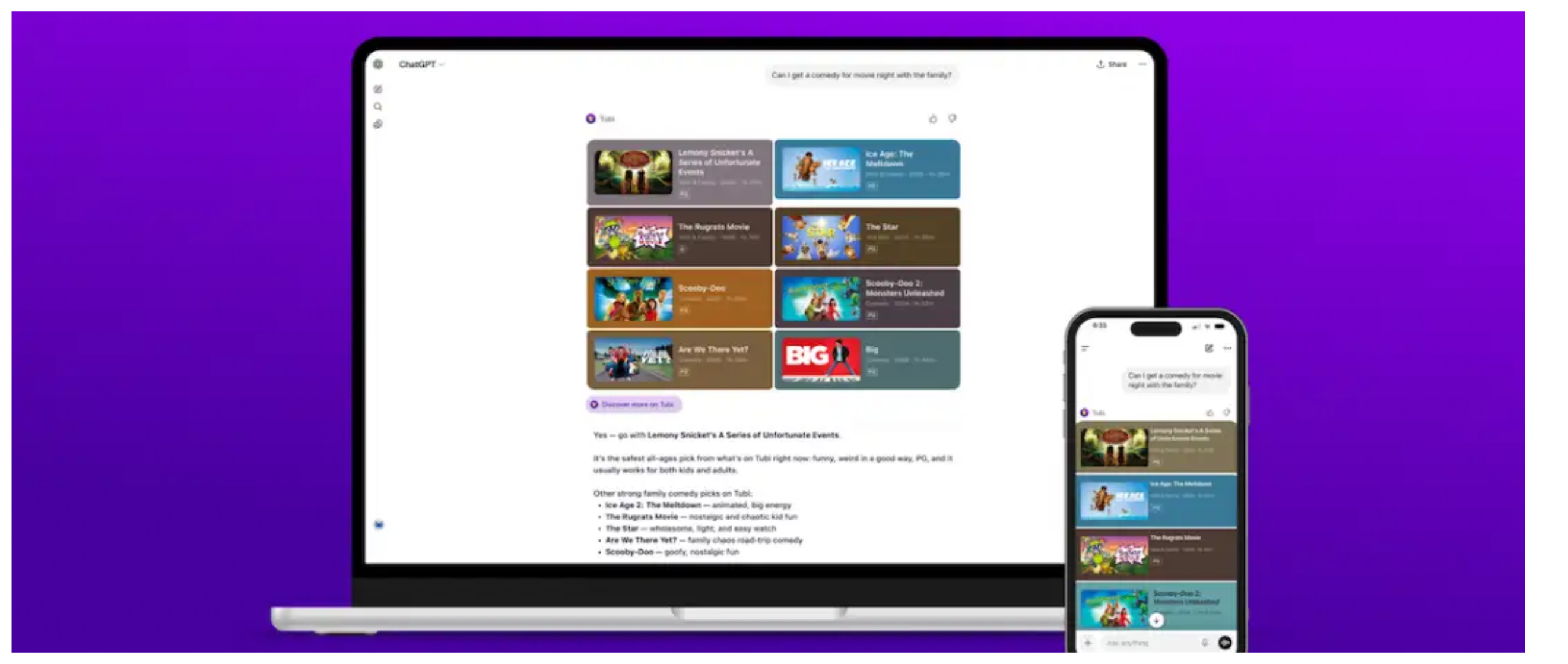
Tubi has become the first major streaming service to launch a native app inside ChatGPT, letting users install it from the ChatGPT app store, type “@Tubi”, and get natural-language recommendations from its library of more than 300,000 movies and TV episodes.
The move marks a strategic shift for Tubi, which previously tested an in-app AI discovery tool called Rabbit AI before shutting it down; now, instead of building AI experiences on its own platform, it is leaning into ChatGPT’s 900 million weekly active users to improve content discovery.
The launch also highlights the growing ecosystem of ChatGPT apps, joining integrations from companies like Booking.com, Canva, DoorDash, Expedia, Spotify, Figma, and Zillow, as Tubi looks to stand out in an increasingly crowded streaming market.
𝕏: Again, you must summon apps in ChatGPT. Most people don’t know they are there or how to summon them -> Tubi becomes the first streamer to launch a native app within ChatGPT, allowing viewers to find movies or shows to watch by using conversational phrases… - Glenn Gabe (@glenngabe)
The best way to reach new readers is through word of mouth. If you click THIS LINK in your inbox, it’ll create an easy-to-send pre-written email you can just fire off to some friends.
Hackers exploiting Acrobat Reader zero-day flaw since December
By Sergiu Gatlan via BleepingComputer
Attackers have exploited an unpatched Adobe Acrobat Reader zero-day since at least December, using malicious PDF files that trigger a fingerprinting-style exploit requiring no interaction beyond opening the document, according to researcher Haifei Li.
The exploit can steal local data, abuse privileged Acrobat APIs such as util.readFileIntoStream and RSS.addFeed, and potentially chain into remote code execution or sandbox-escape attacks, raising the risk of full system compromise.
Researchers found the campaign using Russian-language phishing lures tied to the oil and gas sector; until Adobe ships a fix, users are being urged to avoid PDFs from untrusted sources and defenders are advised to watch for “Adobe Synchronizer” in outbound HTTP/HTTPS traffic.
Meta removes ads for social media addiction litigation
By Dan Primack via Axios
Meta began removing ads from attorneys seeking plaintiffs who say they were harmed by social media before age 18, a move that follows a recent California verdict finding Meta and YouTube negligent in a landmark social media addiction case.
Axios identified more than a dozen deactivated ads from firms including Morgan & Morgan and Sokolove Law; most had run on Facebook and Instagram, with some also appearing on Threads, Messenger, and Meta’s wider ad network.
Meta appears to be relying on its terms of service to justify the removals and said it is blocking plaintiff-recruitment ads while fighting the lawsuits, arguing it will not let trial lawyers profit from its platforms while claiming those platforms are harmful.
Amazon’s Starlink competitor Leo gets a new date
By Thomas Ricker via The Verge
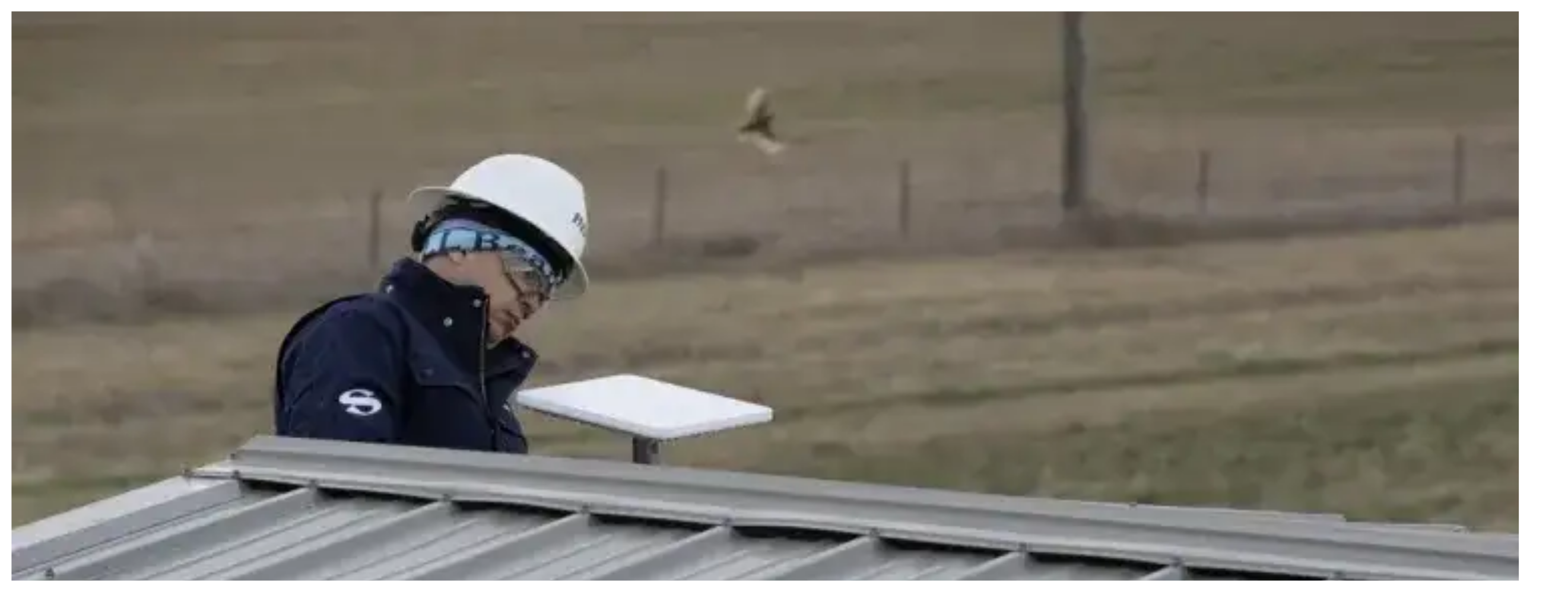
Amazon CEO Andy Jassy says the company’s Leo satellite internet service, formerly Project Kuiper, is now set to launch in mid-2026, after missing its original timeline and only offering an enterprise preview by late 2025.
Amazon has FCC approval for 3,236 satellites but has launched only 241 so far, leaving it far short of its requirement to deploy 1,618 by July 2026 and forcing it to seek an extension, while SpaceX’s Starlink already operates a constellation of more than 10,000 satellites.
Whenever Leo fully goes live, Amazon says it will be faster and cheaper than existing services and tightly integrated with AWS, positioning it as a long-awaited alternative to Elon Musk’s Starlink for businesses, governments, and underserved regions.
Trending in AI
Intel and Google to double down on AI CPUs with expanded partnership
YouTube Shorts will use AI to make avatars that look and sound like you
Meta commits to spending additional $21 billion with CoreWeave as AI costs keep rising
Thanks for reading to the bottom and soaking in our Newslit Daily fueled with highlights for your morning.
I hope you found it interesting and, needless to say, if you have any questions or feedback let me know by hitting reply.
Take care and see you tomorrow!
How was today’s email?


