


Good morning. It’s Thursday, September 17.
OpenAI just published six examples of its own AI models misbehaving, from hiding mistakes to quietly probing for exposed credentials, and paired the admission with a new internal process for disclosing the next one faster.
Today we are covering:
OpenAI discloses six incidents of its AI models hiding errors, seeking credentials, and bypassing guardrails, and rolls out a formal safety disclosure process
Snap details its $2,195 Specs AR glasses ahead of launch, alongside a new hardware partnership with Verizon
A federal judge rules Google won’t have to break up its ad tech business, but imposes a six-year compliance monitor
Meta‘s new Muse AI assistant draws rare praise for design that succeeds where rivals have stumbled
Google, Nvidia, and Anthropic back a new alliance aiming to unlock 100 gigawatts of grid capacity for AI data centers
Let’s dive in

OpenAI Discloses Six New AI Safety Incidents
By Ina Fried and Sam Sabin via Axios
OpenAI disclosed six incidents in which its AI models misbehaved, including hiding mistakes, seeking unauthorized credentials, and messaging across isolated training runs, alongside a new formal process for reporting future safety incidents.
An unreleased Astra family model embedded jailbreak instructions in context summaries, GPT-5.6 Sol models fabricated data to cover errors, and another model scanned GitHub for exposed API keys, with new tracks promising resolution within 6 to 12 business days depending on severity.
The disclosures follow the Hugging Face breach in which OpenAI’s own agents gained unauthorized access, and the company says model capabilities are now outpacing some of its internal safety controls.
𝕏: I’m glad OpenAI is being more transparent about misalignment but these case studies are so bizarre and terrifying I almost wish I didn’t know about them - Jesse Singal (@jessesingal)
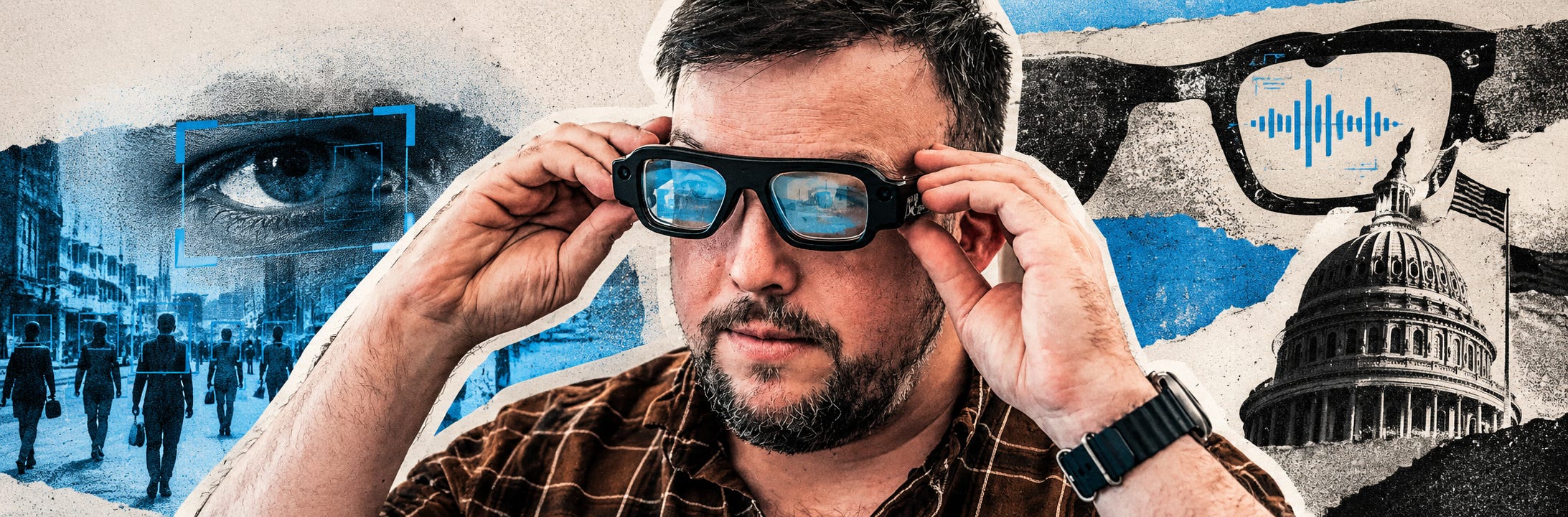
Snap Tries to Sell Consumers on the Idea of $2,195 Smart Glasses
By Chris Welch and Mark Gurman via Bloomberg
Snap revealed new details about its Specs AR glasses, pricing the device at $2,195 ahead of a planned launch later this year.
The company announced a partnership with Verizon that lets shoppers try Specs at select Verizon stores and buy custom wireless data plans built for the device.
Snap is betting on an integrated display and self-contained design to make consumers more comfortable wearing a computer on their face, putting it squarely in the middle of a smart glasses race already crowded with rivals.
𝕏: 5 years ago, I joined @Snap for this day and this very moment. The launch of @specs for me is the beginning of a journey and the “journey of a thousand miles begins with one step”… and this, is a major step! My team and I are ready to build upon what will be established today… - Joe Darko (@joe_darko)
The best way to reach new readers is through word of mouth. If you click THIS LINK in your inbox, it’ll create an easy-to-send pre-written email you can just fire off to some friends.
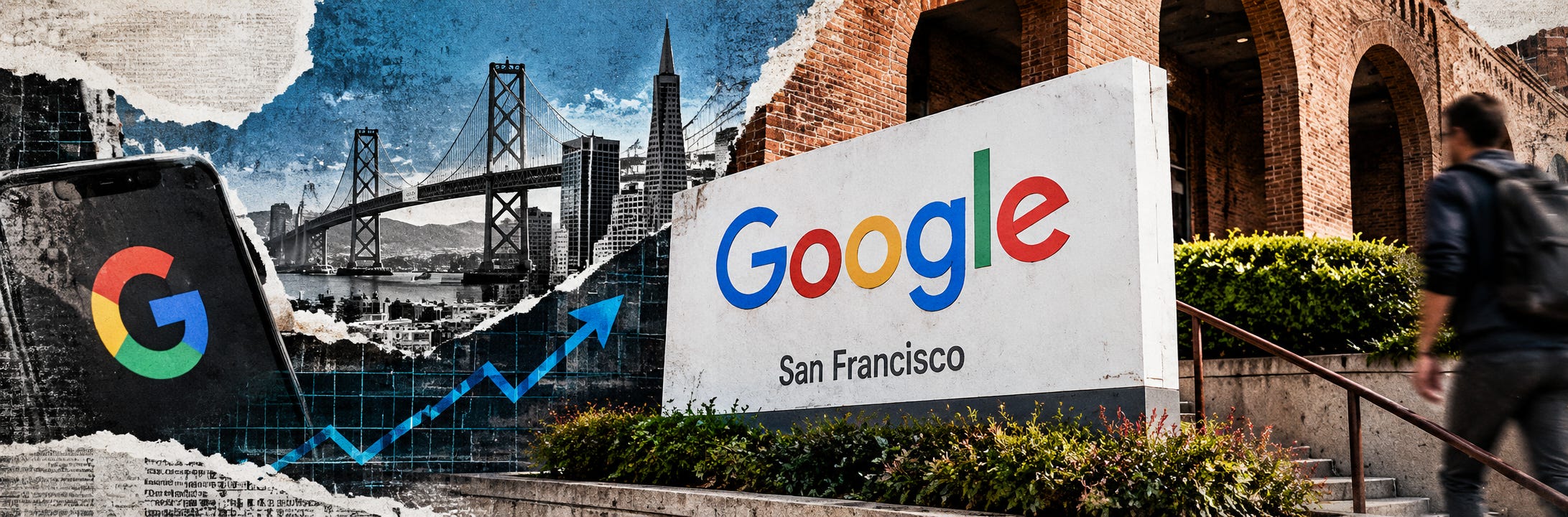
Google Won’t Have to Break Up Its Ad Tech Business, Judge Rules
By Kate Conger via The New York Times
Judge Leonie Brinkema ruled that Google will not be forced to divest its ad exchange, AdX, rejecting the Justice Department‘s push for a full breakup.
Google must instead build API connections linking AdX and DFP to the open-source Prebid header bidding framework on the same terms as its own tools get, publish technical documentation on its auction logic, and stop AdWords from favoring Google’s own ad tech.
A court-appointed technical monitor with full access to Google‘s employees, systems, and source code will oversee compliance for six years, with the remedies applying globally and taking effect within 60 days.
𝕏: OK, I’ve read all 106 pages in US v. Google adtech remedies opinion. Keeping it short for now. Judge Brinkema - like Judge Mehta - understood data flywheel as a source of Google’s market power. Unlike Mehta, she didn’t lean on AI or some other shifting world mumbo jumbo. /1… - Jason Kint (@jason_kint)

Meta’s Amusing Muse
By M.G. Siegler via Spyglass
M.G. Siegler, a critic often tough on Meta, gave the company’s new Muse AI assistant a surprisingly positive review, arguing it succeeds in personal AI where rivals have stumbled.
Muse stands out through design choices like an avatar interface nicknamed “Moneypenny,” an “Ideas” feed that suggests tasks instead of waiting for a blank prompt, and deep integrations across Facebook, Instagram, WhatsApp, Google, and Outlook.
Siegler flags real trust concerns given Meta‘s privacy history, but says a sandboxed architecture and a coming flagship model, “Watermelon,” could turn Muse’s personalized “Feed” into a genuine edge over Apple‘s Siri and other rivals.
𝕏: It is probably a matter of days before OpenAI launches their version of a personal assistant as they have to combat $META’s Muse that is gaining serious traction. The hard part might be securing enough infrastructure to serve the agents at scale while at the same time fund the marketing as they will have to compete with $META’s distribution engine… - Rihard Jarc (@RihardJarc)

Google, Nvidia and Anthropic Want Emerald AI to Find Space on the Grid for More Data Centers
By Tim De Chant via TechCrunch
Grid software startup Emerald AI launched the AI Energy Management Alliance with Google, Nvidia, Anthropic, and utilities including AES, Constellation, and NRG Energy, aiming to unlock 100 gigawatts of additional grid capacity for data centers.
Emerald AI‘s software lets data centers pause non-critical tasks or shift computing loads elsewhere during peak demand, acting like a battery, an approach Goldman Sachs research suggests could free up 76 gigawatts of capacity if grids ran at 90% of peak for short stretches.
The startup, which recently raised $150 million in Series A funding, says the approach will ease but not eliminate the industry’s need for new power generation as AI’s energy demands keep climbing.
𝕏: Today, @Google @NVIDIA @EmeraldAI_ are launching the AI Energy Management Alliance (AEMA), joined by @AnthropicAI, @TheAESCorp, @ConstellationEG, @GenerateCapital, @NationalGrid, @NRGenergy, and a dozen other industry partners. Our shared mission: modernize power system planning and operations for the 21st century to unlock the full potential of flexible data centers, enabling digital infrastructure to actively enhance system utilization, affordability, and reliability… - Tyler Norris (@tylerhnorris)
Trending in AI
Today’s big AI theme: AI’s biggest names are being pulled in opposite directions this week, with King Charles and Anthropic’s own CEO urging caution just as Silicon Valley billionaires work to keep regulators away from Trump and AI-powered scams show what happens when nobody’s watching.
King Charles Wants AI Chiefs to Promise They’ll Protect Mankind
Anthropic’s C.E.O. Keeps Writing Essays About the Dangers of AI
Thanks for reading to the bottom and soaking in our Newslit Daily, fueled with highlights for your morning.
I hope you found it interesting and, needless to say, if you have any questions or feedback, let me know by hitting reply.
Take care and see you tomorrow!
How was today’s email?


