


Good morning. It’s Thursday, June 4. Today we are covering:
Companies using Reddit to feed AI chatbots like ChatGPT and Google with fake promotional posts, gaming what the tools recommend
Google releases Gemma 4 12B, an open-source multimodal model that runs entirely on a standard 16GB laptop
OpenAI, Anthropic, Google DeepMind, and Microsoft AI CEOs sign letter urging Congress to regulate synthetic DNA sales as AI lowers bioweapon barriers
Amazon unveils next-gen Proteus robot that understands plain-language commands, part of a €10 billion European expansion
The race to put AI compute into orbit is heating up, but engineers say true orbital data centers are still years away
Let’s dive in

Companies Are Using Reddit to Manipulate ChatGPT and Google AI Search
By Jason Koebler via 404 Media
Peptide and hormone replacement therapy companies have been spamming r/biohackers with fake posts to manipulate AI chatbots like ChatGPT and Google AI Search, a practice called AEO (AI-engine optimization), according to the subreddit’s moderators.
Agencies like RedRover reverse-engineer the prompt patterns prioritized by LLMs, create accounts with authentic-looking posting histories, then embed brand mentions in high-engagement threads at exactly the moments that get scraped and amplified by AI tools.
Reddit is among the most-cited sources by popular AI tools, making it a prime manipulation target; r/biohackers mods have now restricted new peptide posts, warning that AI-optimized spam from sketchy vendors could steer users toward unsafe, unregulated compounds.
𝕏: The biohackers subreddit banned all posts about peptides and HRT because peptide companies were spamming + manipulating the sub in order to manipulate Google AI and ChatGPT answers. Very insidious industry that is drastically changing the internet - Jason Koebler (@jason_koebler)

Google’s New Open-Source Gemma 4 12B Analyzes Audio, Video and Runs Entirely Locally on a Typical 16GB Enterprise Laptop
By Carl Franzen via VentureBeat
Google released Gemma 4 12B, an 11.95-billion-parameter open-weights model under an Apache 2.0 license designed to run entirely on a laptop with 16GB of VRAM or unified memory, with no cloud dependency required.
The model uses an encoder-free “Unified” architecture that routes raw audio waveforms and video frames directly through the LLM backbone, giving it a 256K-token context window and native multimodal reasoning without the overhead of separate processing modules.
Weights are available on Hugging Face and Kaggle and integrate with deployment frameworks including vLLM, SGLang, and llama.cpp, letting enterprises run private multimodal workloads on-premises with no data leaving the device.
𝕏: Our new Gemma 4 12B model hits a sweet spot between size + performance: it can run locally on a laptop, while enabling powerful multi-step reasoning and agentic workflows. Can’t wait to see what the community does with this one! - Sundar Pichai (@sundarpichai)
The best way to reach new readers is through word of mouth. If you click THIS LINK in your inbox, it’ll create an easy-to-send pre-written email you can just fire off to some friends.
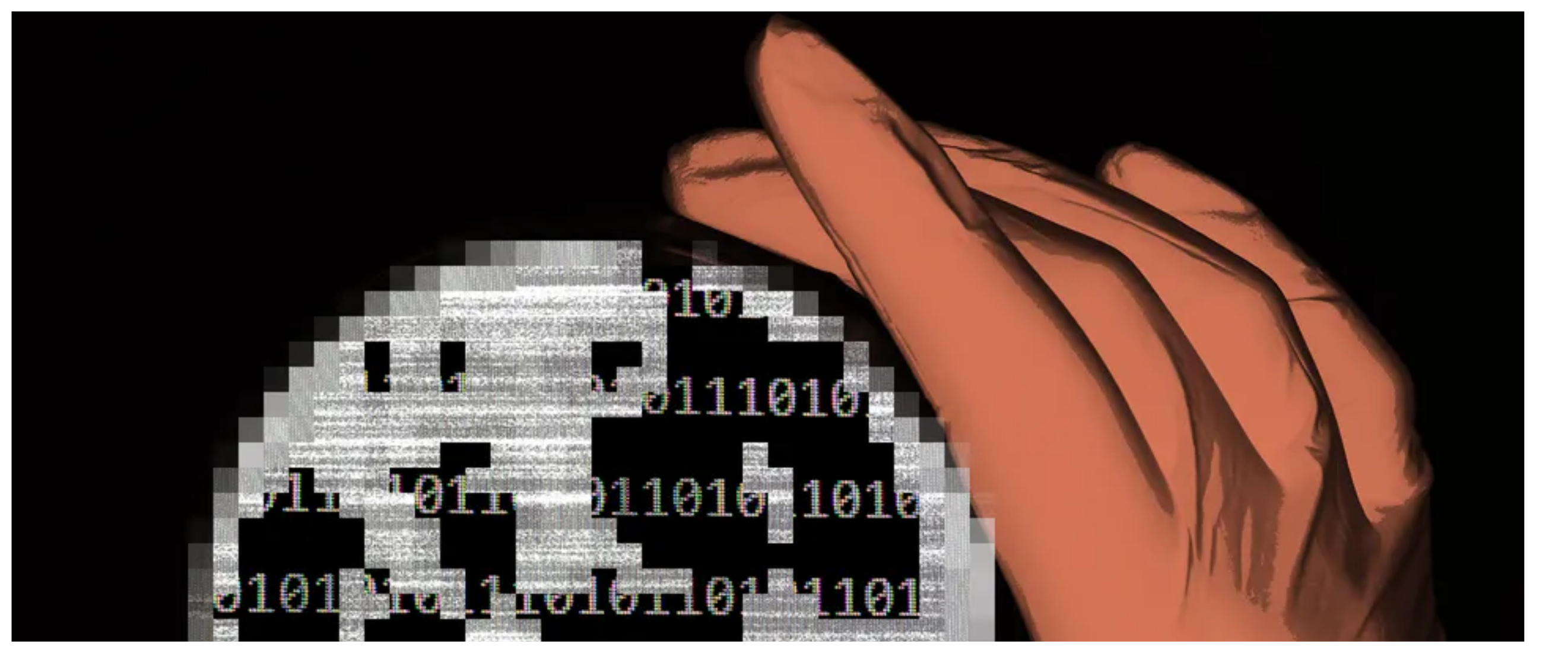
OpenAI and Anthropic Sign Letter to Prevent AI-Developed Biological Weapons
By Emily Mullin via Wired
OpenAI CEO Sam Altman, Anthropic CEO Dario Amodei, Google DeepMind CEO Demis Hassabis, and Microsoft AI CEO Mustafa Suleyman co-signed an open letter calling on Congress to mandate screening and tracking of all synthetic DNA and RNA orders placed in the United States.
The letter, organized by the Institute for Progress and the Foundation for American Innovation, proposes requiring vendors to screen every synthesis order against databases of known dangerous sequences and verify customer identity before any order ships.
AI is now capable enough to meaningfully lower the knowledge barrier to bioweapon creation; Anthropic’s own red-teaming found that its models can provide real “uplift” to bad actors navigating complex biological processes, making voluntary industry norms insufficient.
𝕏: No one should be able to order a bioweapon through the mail. @IFP & @JoinFAI are proud to co-lead an open letter calling for mandatory DNA synthesis screening & recordkeeping. Signatories include: - Sam Altman, CEO & Co-Founder, OpenAI - Dario Amodei, CEO & Co-Founder, Anthropic… - Alec Stapp (@AlecStapp)
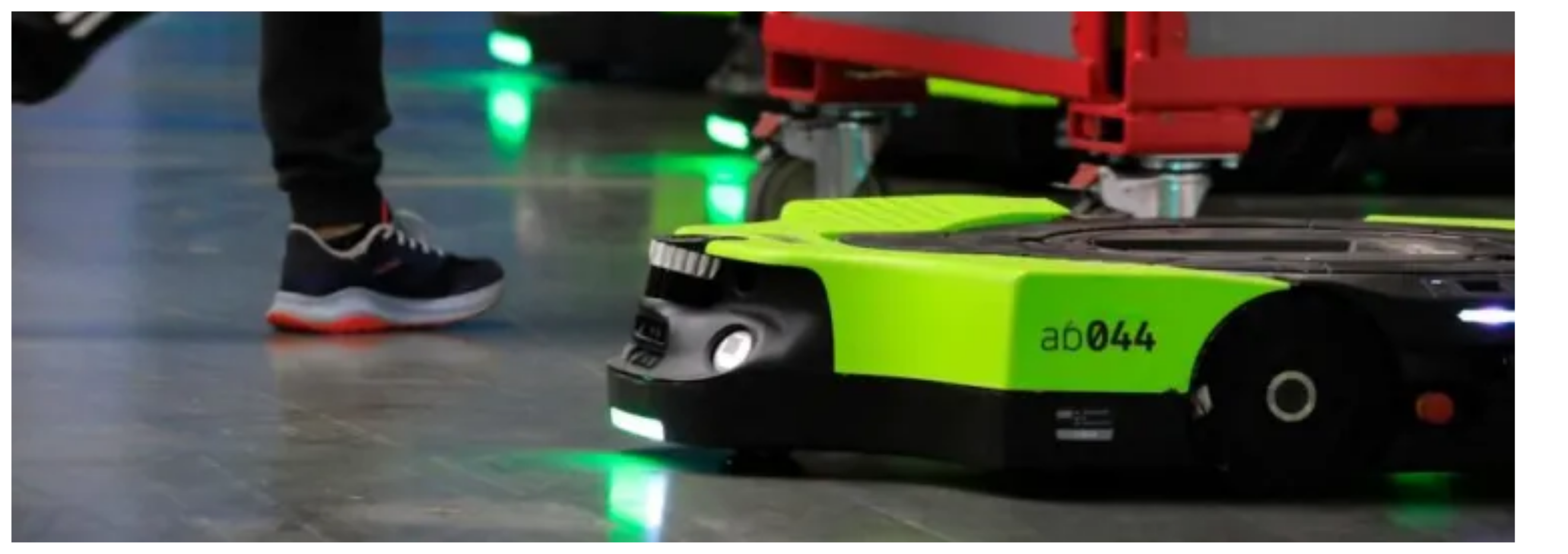
Amazon’s Next-Generation Warehouse Robot Proteus
By Robert Hart via The Verge
Amazon unveiled a next-generation Proteus robot at its “Delivering the Future” event in Dartford, UK, capable of taking instructions in plain conversational language as part of a €10 billion commitment to expand its European fulfillment network.
Unlike the current Proteus, which operates only in loading dock zones at 25 US sites, the new version can navigate freely throughout an entire warehouse, with workers directing it to prioritize routes and tasks the way they would another employee.
Amazon plans to deploy the new Proteus in Europe in the first half of 2027, alongside expanded rollout of its touch-sensitive Vulcan robot and a new tote-handling robot called Stark.
𝕏: $AMZN announces latest generation of AI-enabled warehouse robot Proteus along with €10B investment in European fulfillment center expansion. Spot the $OUST lidar sensor? 👀 Further validation of Ouster’s technology and the shift towards physical AI. - Chris Ray (@itschrisray)
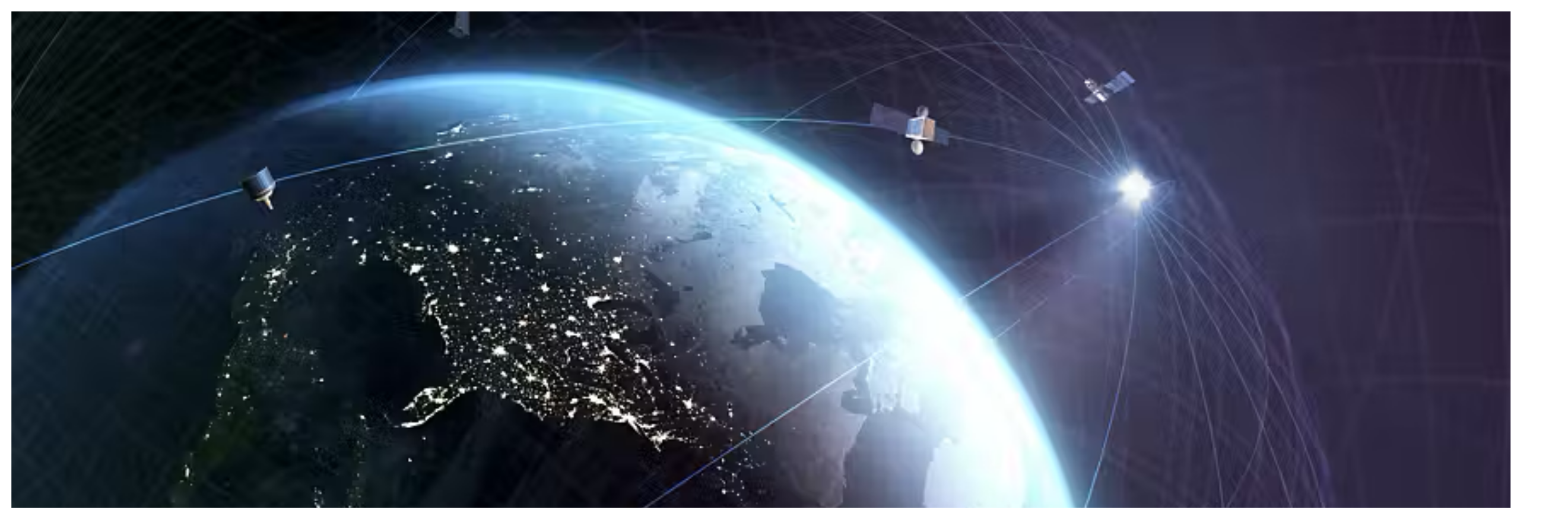
Orbital Data Centers Are Souped-Up Satellites — For Now
By Liz Allan via Semiconductor Engineering
Today’s so-called orbital data centers are better described as compute-heavy satellite constellations: SpaceX is targeting a million satellites to reach 100 gigawatts of installed compute in space, while Nvidia has announced dedicated platforms for companies including Axiom Space and Kepler Communications.
The core engineering challenge is heat removal: running 100 Nvidia GPUs in orbit requires roughly 33 square meters of solar panels for power and 16 square meters of radiator panels to vent heat, with additional hurdles around radiation effects on advanced memory and multi-hop communication latency.
Mainstream orbital AI compute is still years away, with industry experts citing the high cost of radiation-hardened chips, lack of serviceability, and unresolved sun-synchronous orbit challenges; Jeff Bezos has said Elon Musk’s two-to-three-year timeline is “a little ambitious.”
𝕏: I’m not a space expert, but this @SemiAnalysis_ piece was a great read and seems to poke a lot of technical holes in the “space datacenters are imminent” thesis. - tae kim (@firstadopter)
Trending in AI
TSMC CEO Warns Chip Supply Won’t Meet AI-Fueled Demand for Years
Meta Keeps Delaying the Release of Its New AI Model to Developers
In Policy Paper, OpenAI Diverges From White House on AI Safety
Thanks for reading to the bottom and soaking in our Newslit Daily fueled with highlights for your morning.
I hope you found it interesting and, needless to say, if you have any questions or feedback let me know by hitting reply.
Take care and see you tomorrow!
How was today’s email?


