


Good morning. It’s Thursday, September 3.
Uber and Wayve just put London ahead of Waymo in the race to put driverless cars on city streets, launching a supervised robotaxi service today with human safety drivers still behind the wheel.
Today we are covering:
Uber and Wayve launch London’s first robotaxi service, beating Waymo to the city with supervised rides
Apple faces a nearly 400% jump in iPhone 18 Pro memory costs but plans only a modest price increase, according to TrendForce
HTC brings its $499 Vive Eagle smart glasses to the US, betting privacy features can set it apart from Meta’s Ray-Ban line
Meta releases Muse Spark 1.3, sharpening its personal agent ambitions against Anthropic, OpenAI and Google
Google unveils Gemini 3.8 Flash and a cybersecurity-focused Flash Cyber variant for vetted defenders
Let’s dive in
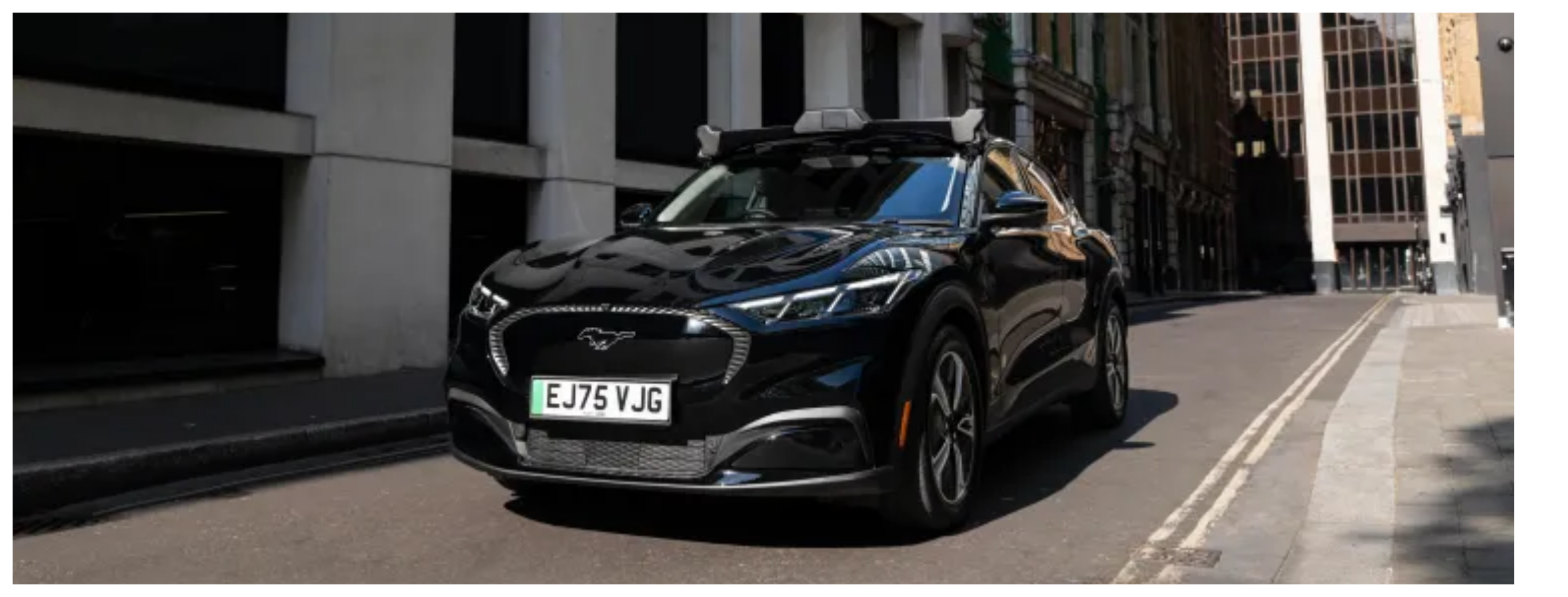
Uber, Wayve Launch London’s First Robotaxi Service
By Andrew J. Hawkins via The Verge
Uber and Wayve began operating a commercial robotaxi service in London on September 3, with human safety drivers still behind the wheel, making it the first company to offer these rides in the city ahead of Waymo.
The service starts with dozens of vehicles under a phased rollout; Wayve and Uber currently hold safety approval for just 15 supervised vehicles, and fares match Uber’s standard rates.
London becomes only the second European city with autonomous taxis after Zagreb, and Wayve plans to expand with Uber to Tokyo and ten more cities, though Waymo and a Baidu-Lyft partnership are preparing rival launches.
𝕏: Today, for the first time ever, Wayve and Uber are offering autonomous rides in London from I took a test ride yesterday It was VERY eventful - Rowland Manthorpe (@rowlsmanthorpe)
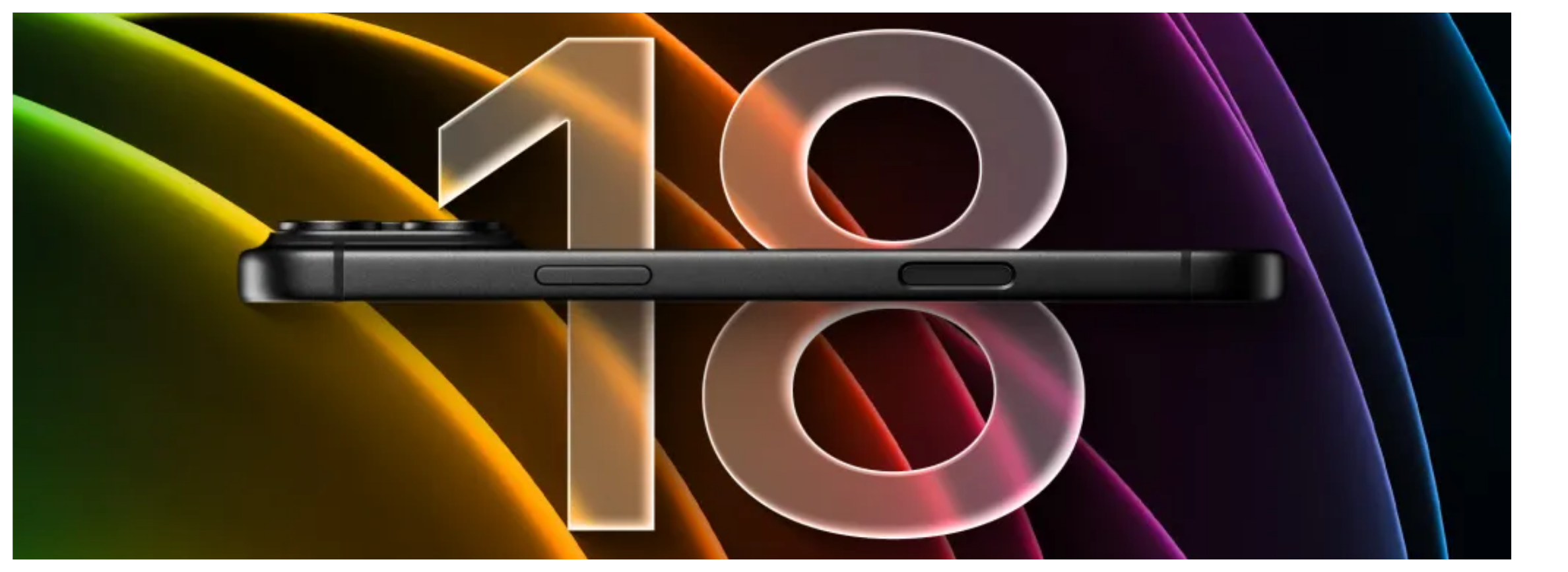
Apple Paying 400% More for iPhone 18 Pro Memory, Says TrendForce
By Ben Lovejoy via 9to5Mac
TrendForce estimates Apple’s memory costs for the 256GB iPhone 18 Pro will jump nearly 400% in Q3 2026 compared with last year’s model, even as the company plans only a modest retail price increase.
Apple is expected to raise iPhone 18 Pro prices by roughly $100 over the iPhone 17 Pro, far short of covering the component cost surge, after already announcing broader price increases in June 2026 tied to manufacturing pressure.
TrendForce says steep sticker increases would hurt upgrade cycles amid a weak economy and expects Apple to lean more on Services revenue, while its first foldable, the iPhone Ultra, could start around $2,299 and top $3,000.
𝕏: The biggest camera upgrade coming to iPhone 18 Pro Max is variable aperture main camera - something Samsung decided to drop because of the cost. Instead of being locked to a fixed f/1.78 aperture like the current iPhone, the lens would be able to physically open and close… - Chris “Frankly Creative” Franklin (@FrankOneDigital)
The best way to reach new readers is through word of mouth. If you click THIS LINK in your inbox, it’ll create an easy-to-send pre-written email you can just fire off to some friends.
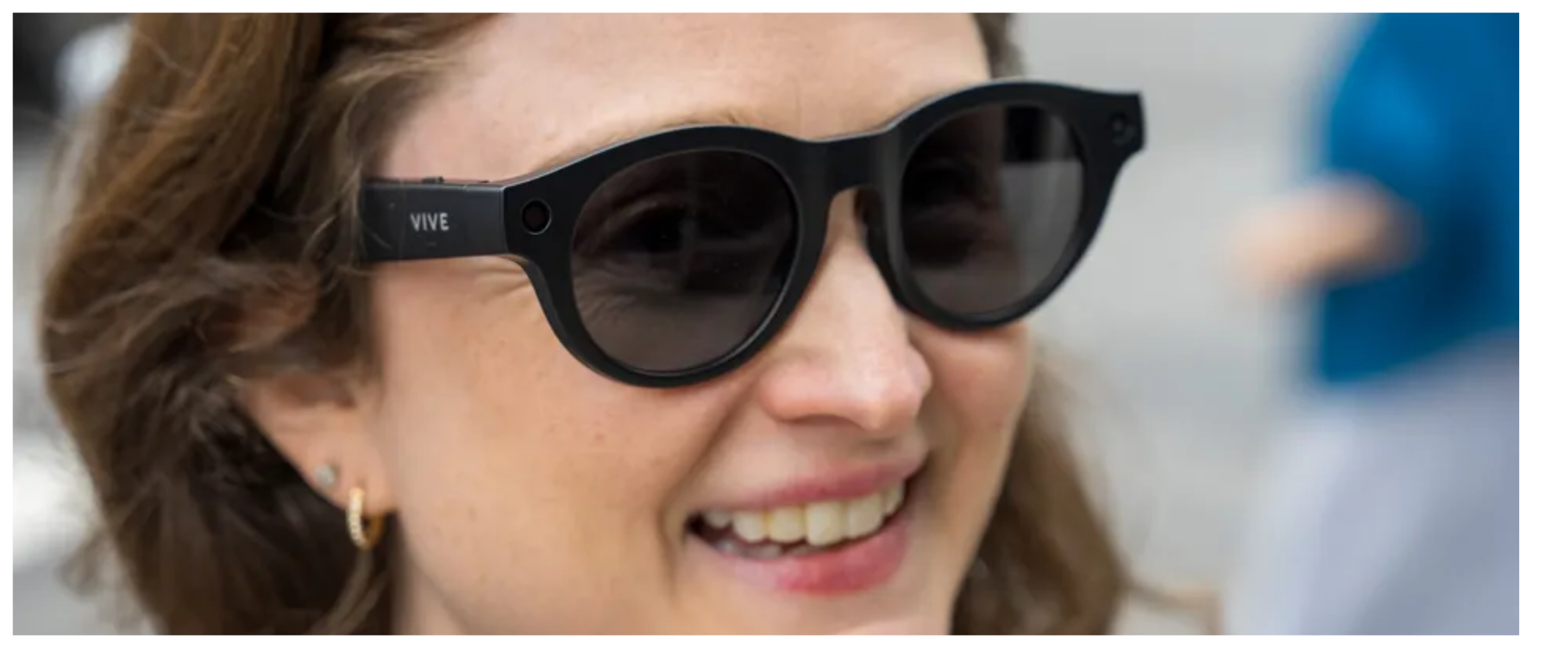
HTC Brings $499 Vive Eagle Smart Glasses to US Amid Broader Privacy Concerns
By Chris Welch via Bloomberg
HTC began taking US orders for its Vive Eagle smart glasses on September 3, starting at $499 for standard or sun lenses and $599 for photochromic versions, positioning them against Meta’s Ray-Ban line.
The glasses run on a Qualcomm Snapdragon AR1 chip with 4GB of RAM and 32GB of encrypted storage, pack a 12MP ultrawide camera, and let users choose between OpenAI, Google Gemini, or HTC’s own assistant without a wake word.
HTC is leaning on privacy as its differentiator, with a recording LED, a voice command that lets bystanders ask it to stop filming, and automatic shutoff when the glasses are set down, as scrutiny over camera-equipped wearables grows.
𝕏: HTC VIVE is the latest vendor to launch smart glasses soon. Last week, Innovative Eyewear Inc, the manufacturer behind smart eyewear Lucyd, Lucyd Armor, Reebok, Nautica, and Eddie Bauer brands, announced a partnership with HTC. The primary focus is to launch the VIVE Eagle in the US in September… - Francisco Jeronimo (@fjeronimo)

Meta Debuts Muse Spark 1.3 as Personal Agent Work Continues
By Ina Fried via Axios
Meta released Muse Spark 1.3 this week, an updated AI model with notable gains in coding and agentic tasks, as AI chief Alexandr Wang positioned it as competitive with frontier models from Anthropic, OpenAI and Google.
The update keeps the same aggressive pricing as its predecessor and rolls out immediately through Muse Code and Meta’s API, with a max reasoning version still going through additional safety testing before release.
Meta says a meaningful double-digit share of developers have joined its contributor tier, trading cheaper coding costs for letting Meta use their work to improve future models, as the update is meant to power upcoming personal agents that work around the clock.
𝕏: 1/ today we’re releasing muse spark 1.3—available in muse code & the meta model api. this is our most capable model yet—frontier performance almost too cheap to meter. much stronger at agentic and coding with better usability. we think users will really notice the jump. - Alexandr Wang (@alexandr_wang)

Introducing Gemini 3.8 Flash and 3.8 Flash Cyber
By Tulsee Doshi and Raluca Ada Popa via Google
Google introduced Gemini 3.8 Flash, its fastest reasoning and coding model yet, alongside Gemini 3.8 Flash Cyber, a specialized variant for vetted security defenders through a new Fairwind program.
Gemini 3.8 Flash holds the same speed and pricing as its predecessor at $0.75 per million input tokens through the end of 2026, while outperforming larger frontier models on the DeepSWE v1.1 coding benchmark and scoring 54.9% on HLE-Verified.
Flash Cyber finds and patches vulnerabilities across 20 programming languages with over 70% success, and Google’s own Chrome Security and Cloud Vulnerability Research teams say it already produces more correct patches than leading commercial tools and found a critical bug in under two hours.
𝕏: We’re also introducing Gemini 3.8 Flash Cyber, our most capable cybersecurity model. It shows frontier-level performance in discovering vulnerabilities and patching them at scale, with Flash-level speed & pricing… - Sundar Pichai (@sundarpichai)
Trending in AI
Today’s big AI theme: AI’s biggest deals and biggest questions collided today, as Nvidia bets billions on Hugging Face, world leaders agree to go easy on AI rules, and reporting digs into how AI is reshaping workplaces and homes.
Nvidia Agrees to Buy Hugging Face for Almost $13 Billion, AI Expansion
US Strikes Light-Touch AI Regulation Accord With G20 Members
Lutnick: Anthropic Is Back on the Right Side With Trump Administration
Meta Pushes Its New AI Agent on Employees, but Eases Off on Tokenmaxxing
Thanks for reading to the bottom and soaking in our Newslit Daily fueled with highlights for your morning.
I hope you found it interesting and, needless to say, if you have any questions or feedback let me know by hitting reply.
Take care and see you tomorrow!
How was today’s email?


